Getting from Sacred Valley to Machu Picchu is simpler than most travelers expect. Ollantaytambo, not Cusco, is the real gateway. If you have not planned the rest of your Sacred Valley trip yet, start there first. Starting in Cusco instead? Read our Cusco to Machu Picchu guide.
In addition, our Ollantaytambo to Machu Picchu guide details the train and road options.
Staying in the Sacred Valley the night before cuts your travel time to Machu Picchu. The difference compared to starting from Cusco is significant.
This guide covers both ways to make the journey and what each one actually costs. It also includes a realistic itinerary, so you arrive rested instead of rushed.
Both routes are covered in detail below, along with real pricing. That way you can decide which one fits your schedule and budget before you book anything.
Why Begin the Sacred Valley to Machu Picchu Journey Here
Altitude and Comfort
Cusco sits at over 3,400 meters. The Sacred Valley sits about 600 meters lower, which makes for easier sleep and less altitude strain.
That extra elevation also means a slightly higher chance of altitude symptoms if you skip acclimatization entirely.
Many visitors feel noticeably better after a night at the Sacred Valley’s lower elevation. That’s especially true if they flew into Cusco earlier the same day.
A Shorter Ride to the Train
It also shortens the trip. The train to Machu Picchu leaves from Ollantaytambo, right in the Sacred Valley itself.
A traveler based in Cusco adds an extra 90 minutes of driving just to reach that same train station. If you want to make that drive count, our Cusco to Ollantaytambo via Maras and Moray transfer adds two sightseeing stops on the way.
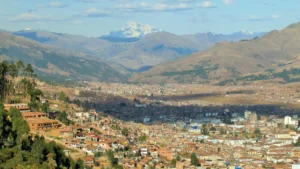
The drive between Cusco and the Sacred Valley passes through some of the region’s best scenery. Starting the trip a day early never feels like wasted time. Our Cusco to Sacred Valley shuttle makes that drive simple. For road options and drive times, read our guide to the road into the valley.
Two Ways to Go From the Sacred Valley to Machu Picchu
By Train from Ollantaytambo
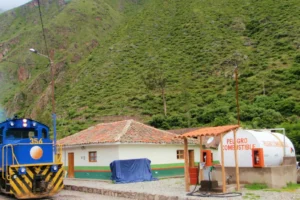
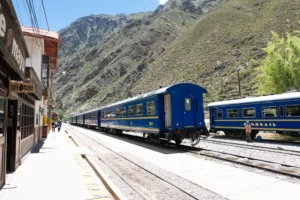
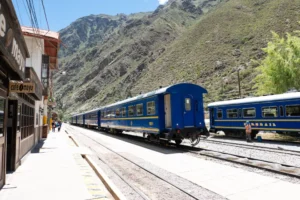
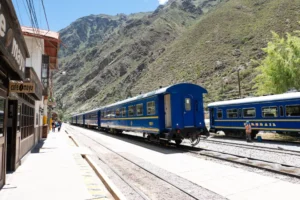
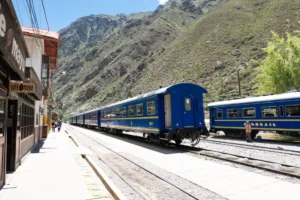
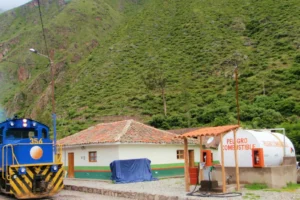
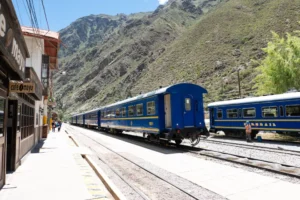
PeruRail and Inca Rail both depart from Ollantaytambo station. The ride to Aguas Calientes takes about 90 minutes. For a full breakdown of routes, classes, and prices, see our complete guide to Machu Picchu by train. Besides that, our Sacred Valley of the Incas planning guide lists towns, drive times, and prices.
Trains run early morning through evening, so you can time your departure around your hotel checkout.
Both operators sell a few ticket tiers. The budget-friendly Expedition class covers the basics. Vistadome adds panoramic windows and a snack service. The Hiram Bingham and Sacred Valley luxury coaches include full meals and open-bar service, at several times the price.
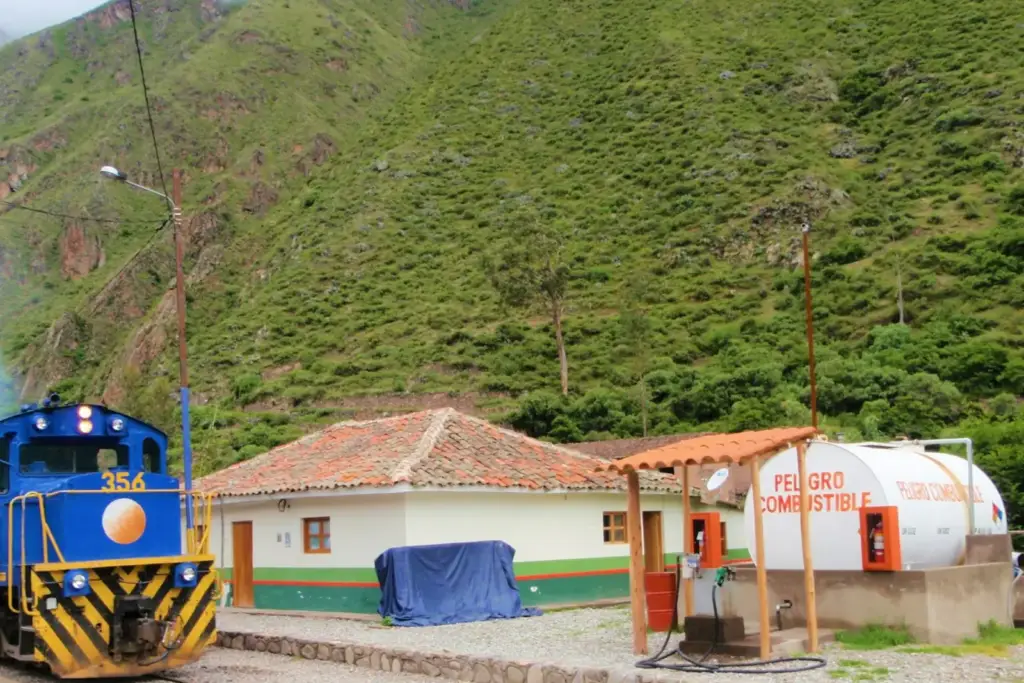
By Road to Hidroelectrica
A cheaper option skips the train entirely. A private vehicle drives you to Hidroelectrica, followed by a flat two-hour walk along the tracks. Our Cusco to Hidroelectrica guide explains the drive step by step.
This route takes longer, but it costs a fraction of the train fare. It suits budget travelers, or anyone who could not get a train ticket.
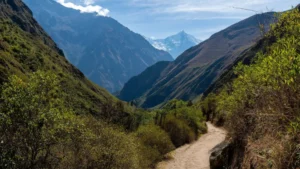
The walk itself is close to 10 kilometers on level ground, with a few snack stalls along the way.
Plan for two to two and a half hours. That way you will not be rushing to catch the last bus into Aguas Calientes.
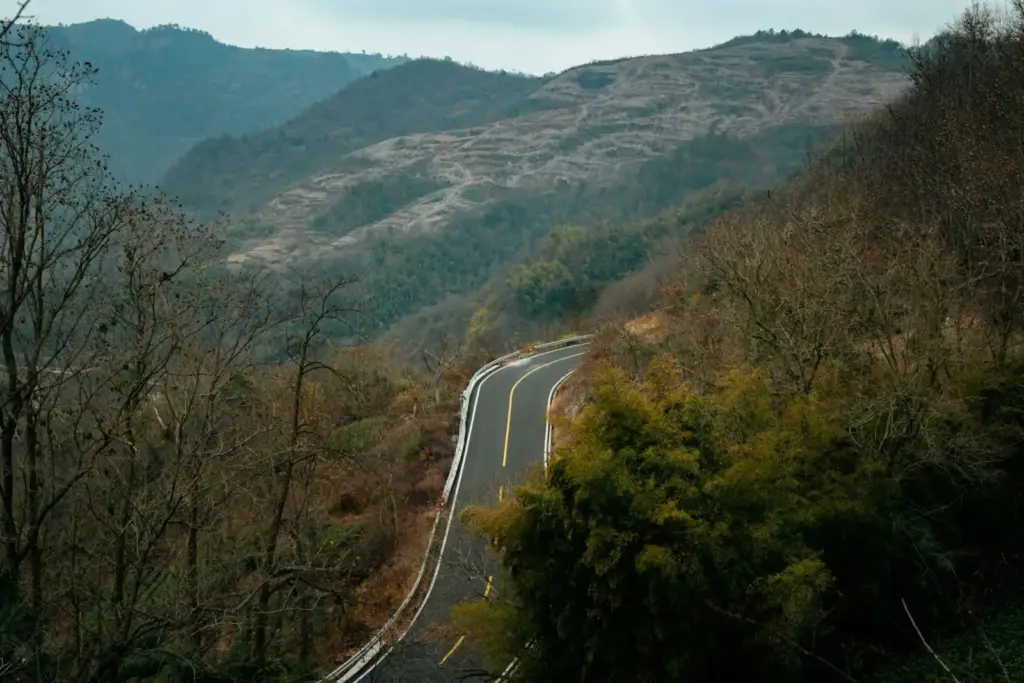
Planning Your Sacred Valley to Machu Picchu Trip
Best Time to Go
The dry season, from May through October, gives the clearest views and the most reliable train schedules. It is also the busiest stretch for both tickets and hotels.
During the wet season, from November through April, heavy rain occasionally triggers landslides. These can shut down the Hidroelectrica road for a day or more. The train route is far less affected, so booking the train is the safer call in those months.
Shoulder months like April and November often split the difference. They offer decent weather with noticeably thinner crowds at both the train station and the ruins themselves.
What to Pack
Layers matter more than anything else. Mornings in the Sacred Valley are cold. Afternoons at Machu Picchu can turn sunny and humid fast. Rain is possible even in the dry season.
A poncho or light rain jacket, sunscreen, and a hat cover most of what the weather throws at you.
Bring your passport for the Machu Picchu entrance gate, since it is checked against your ticket every time.
Comfortable, broken-in shoes matter most on the Hidroelectrica route. They also help in Aguas Calientes, where the streets are steep and often wet.
Small bills and coins are worth carrying too. Change can be hard to find at snack stalls and smaller shops along the way.
A small day pack is more useful than a full suitcase for the Machu Picchu portion. You will want your hands free for the bus queue and the ruins themselves.
A Sample 3-Day Sacred Valley to Machu Picchu Itinerary
Day 1: Arrive in the Sacred Valley, visit Ollantaytambo’s ruins, and rest at lower altitude before the journey ahead.
Day 2: Take an early train from Ollantaytambo to Aguas Calientes. From there, catch the bus up to Machu Picchu in time for your entrance window. Before you board, our guide to the town and its fortress shows what to see nearby. Landing the same day? Read our Cusco airport to Ollantaytambo guide for the direct valley drive. Not sure which Cusco train station to use? Our guide compares every option. For all the ways to reach the ruins from the valley, see our Machu Picchu transportation guide.
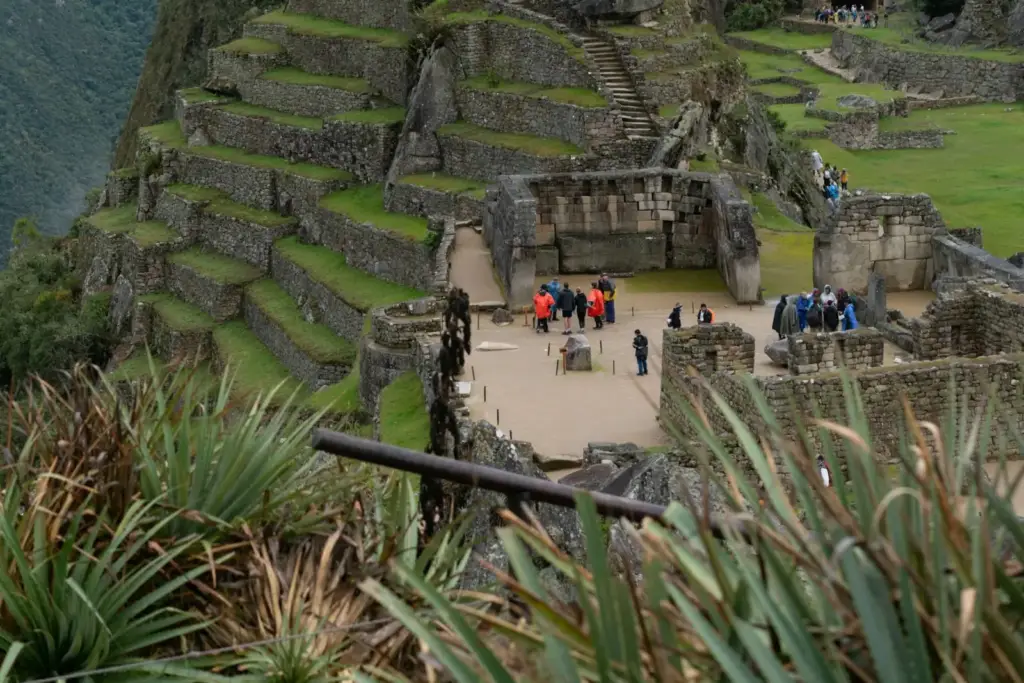
Day 3: Return by train to Ollantaytambo, then continue on to Cusco or onward with your driver. See our guide to the drive back to Cusco for every option. Our PeruRail Expedition vs Vistadome guide shows which carriage fits your plan. Plan your Machu Picchu bus tickets before you leave the valley. See our guide to train company choices before you book. See our guide to how and when to buy tickets before you travel. Planning the whole trip? Our Lima to Machu Picchu transport guide covers every step. Many guests also ask about the Lima to Machu Picchu distance guide, so we wrote a full guide.
Travelers connecting straight through to a flight can skip the Cusco stop entirely. They can head to the airport directly from the Sacred Valley. Our Cusco airport transport handles that transfer.
Travelers with more flexibility often stretch this into four days. A second night in Aguas Calientes lets you catch the ruins at sunrise, before the bus lines build up.
What to Expect Once You Arrive in Aguas Calientes
Buses to Machu Picchu run from about 5:30 in the morning until early afternoon. The ride up the switchback road takes roughly 25 minutes.
Buy your ticket at the small booth near the bus queue rather than online in advance.
Most hotels in Aguas Calientes will hold your bags for a few hours if you are not staying the night. That is useful if you plan to see the ruins and head back the same day.
A handful of good restaurants line the main square if you have time before your bus back. Most accept both cash and card without any trouble.
ATMs are available near the main square. They occasionally run out of cash during the busiest weeks, so carrying some soles as backup is a good idea.
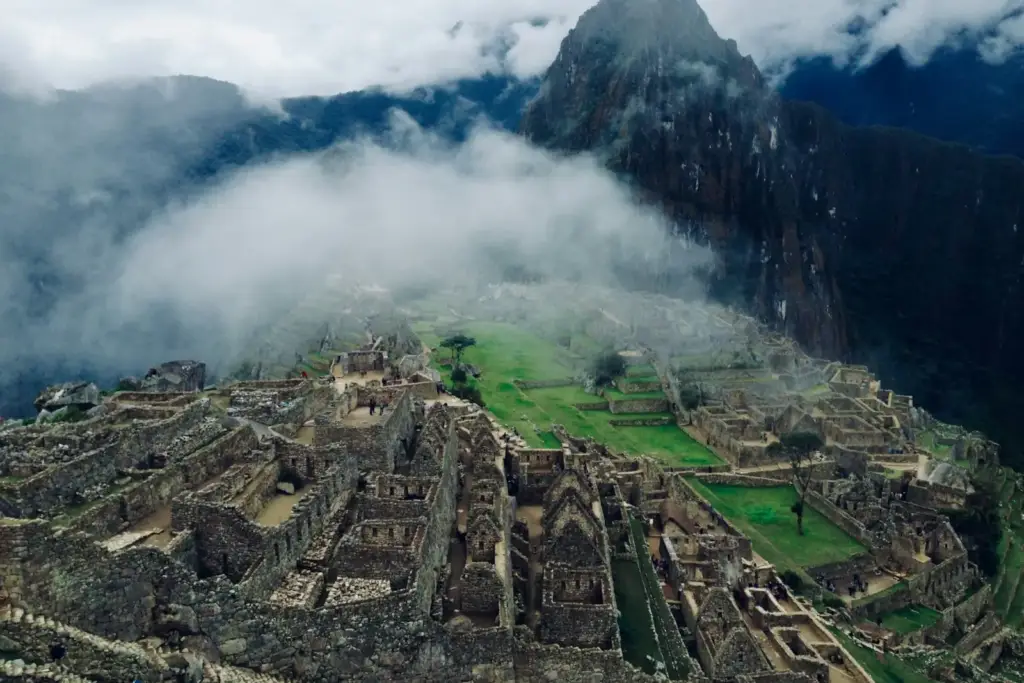
Common Mistakes on the Sacred Valley to Machu Picchu Route
The most common error is booking a Machu Picchu entrance ticket for the wrong time slot. It needs to match your train or bus arrival. Build in at least an hour of buffer, just in case. Doing it all in one day instead? Our Machu Picchu day trip guide covers that plan.
Underestimating the Hidroelectrica walk is another. Bring cash for the snack stalls, a refillable water bottle, and shoes you have already broken in.
Skipping travel insurance is a mistake as well. Delays and rebookings on this route are common enough to make it worthwhile.
Finally, double-check your departure station. Poroy and Ollantaytambo both run trains, but they are an hour apart. Showing up at the wrong station means missing your seat entirely.
Getting to Ollantaytambo or Hidroelectrica: Why Private Transport Makes the Difference
A private transfer from your Sacred Valley hotel to either Ollantaytambo or Hidroelectrica takes the guesswork out of timing.
Shared vans run on fixed schedules that rarely match train departure times exactly. A private driver adjusts to your ticket, not the other way around.
This matters most on the train route, where missing a departure means waiting hours for the next available seat. It matters on the Hidroelectrica route too, where a late start can mean finishing the walk after dark.
Booking a private transfer in advance also means your driver already knows your train time or your Hidroelectrica departure. That leaves no confusion at pickup.
Trains also limit checked baggage to one bag per passenger. A private transfer that carries your full luggage is often the easier choice.
A private transfer from a Sacred Valley hotel to Ollantaytambo station runs about $44 for a sedan. A minivan costs $58, and a van or Sprinter runs $73. The drive itself takes roughly an hour and forty-five minutes, depending on your hotel’s location.
The Hidroelectrica route costs more for the vehicle leg alone. A sedan costs $160, a minivan $220, and a Sprinter $350 one way. The drive itself takes six to seven hours.
Train tickets are priced separately from any transfer. Expedition and Vistadome fares typically run between $65 and $90 one way. Luxury coach fares rise sharply above that.
Frequently Asked Questions About Sacred Valley to Machu Picchu
Do I need to book a train ticket in advance for this trip?
Yes, especially in the June-to-August peak season. Both PeruRail and Inca Rail sell out popular departure times weeks ahead.
Can I skip the train entirely?
Yes. The Hidroelectrica road-and-walk route reaches Aguas Calientes without a train ticket. It costs less overall, but takes a much longer travel day.
Which station should I use, Ollantaytambo or Urubamba?
Ollantaytambo. Urubamba does not have passenger rail service; only Ollantaytambo and Poroy run trains toward Machu Picchu.
How early should I arrive at Ollantaytambo station?
Thirty minutes before departure is enough, though allow extra time during the high season when the station gets crowded.
What is the cheapest way to reach Machu Picchu from the Sacred Valley?
The cheapest option is the Hidroelectrica route: a private or shared vehicle, followed by the walk along the tracks. Together they cost a fraction of any train ticket.
Can I do the Sacred Valley to Machu Picchu trip in one day?
It is possible but tight. A pre-dawn train, a fixed entrance window, and a same-day return leave little room for delays. Most travelers prefer an overnight stay instead.
Do I need to book Machu Picchu tickets separately from the train?
Yes. The entrance ticket, any Huayna Picchu or Machu Picchu Mountain add-on, and your train or transfer are booked separately. They use entirely different systems.
Is the Hidroelectrica walk manageable for older travelers or kids?
The path is flat and well-marked, which makes it manageable for most fitness levels. The two-hour duration is still worth planning around for very young children.
Ready to Plan Your Sacred Valley to Machu Picchu Route?
Machupicchu Shuttle handles every leg of this journey. That includes airport to Sacred Valley transfers, hotel to Ollantaytambo station, or the full road route to Hidroelectrica. Browse all of our Cusco private transfers, or landing here first? See our guide on getting from Cusco airport to hotel. Flying in first? Our guide to Cusco airport to Machu Picchu covers every route from the terminal.