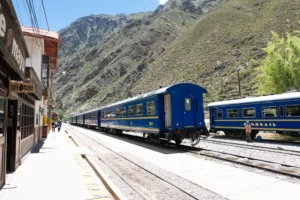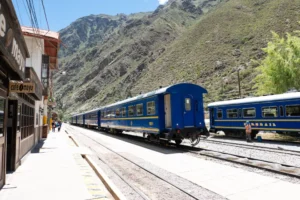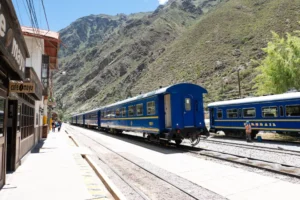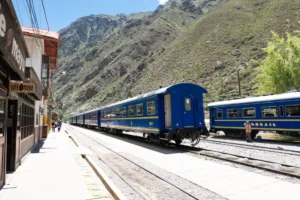
Is the train to Machu Picchu safe? Yes, most trips run smoothly, but rare incidents, strikes, and weather can cause delays.
This guide explains what happened in recent disruptions and how to protect your trip. It also shows how a private driver gives you a reliable backup.
We provide private transport only, so we do not sell train tickets or tours. Instead, we meet you on the road when plans change.
Is the Train to Machu Picchu Safe? The Short Answer
Thousands of travelers ride the Machu Picchu trains safely every week. However, the line is a single track through a remote canyon, so problems can pause service.
The most serious recent event was a head-on collision on December 30, 2025. Understanding what happened helps you plan with confidence.
In short, the train remains the main way to reach Aguas Calientes. Therefore, the smart move is to build flexibility into your plans.
What Happened on December 30, 2025
A PeruRail train collided head-on with an Inca Rail train on the single track between Ollantaytambo and Machu Picchu. The conductor of one train died, and about 40 people were injured, according to news reports.
Authorities said human error was the likely cause, and the investigation continued. Service was suspended, then resumed slowly the next day.
About 2,000 visitors were stranded in Aguas Calientes for a short time, including many foreign travelers. Most were evacuated within a day or two.
Is the Train to Machu Picchu Safe? What Can Disrupt Service
Crashes are rare. More often, trains pause because of strikes, weather, or other local events.
Knowing the common causes helps you decide how much buffer to build into your itinerary.
Strikes and Protests
A strike in September 2025 suspended trains for a few days. PeruRail said the issue was resolved through dialogue with the government.
Tourists were temporarily stranded during that pause. Even so, service returned to normal afterward.
Rain, Landslides, and Wildfires
Heavy rain from about December to March can cause landslides near the tracks and roads. Also, a forest fire forced a pause in train service in August 2026, according to news reports.
These events are usually short. However, they can change your timing by hours or days.
Operational Delays
Because the line is a single track, a delay on one train can push back others. As a result, small delays are more common than full cancellations.
Check your train status on the company website on the morning of your trip.
Machu Picchu Train Safety: How to Reduce Risk Before You Travel
Good planning makes any disruption easier to handle. You cannot control the weather, but you can control your schedule.
Start with flexible bookings, a buffer day, and travel insurance. These steps cost little and save a lot of stress.
Book Flexible Tickets and Hotels
Choose train tickets with a change or refund option when you can. PeruRail has said it offers rescheduling or refunds for tickets affected by disruptions.
Keep one hotel night flexible in Ollantaytambo or Cusco. That way, you can shift your plans without losing money.
Buy Travel Insurance
Buy a policy that covers trip delays and cancellations. Check that it includes train disruptions and missed connections.
Keep the policy number and the emergency line in your phone. Also, save a photo of your passport.
Add a Buffer Before Your Flight
Do not book a tight flight the day after your train. Leave at least one full day between the Machu Picchu trip and your international flight.
Our Cusco airport departure guide explains how to time your ride to the terminal.
Is the Train to Machu Picchu Safe in the Rainy Season?
The rainy season runs from about November to March, with the heaviest rain in January and February. Trains usually run, but delays are more likely.
Landslides can block the road to Hidroelectrica and parts of the valley. Therefore, build extra time into every plan.
Our best time to visit Cusco guide explains the seasons in detail. It helps you pick travel dates that suit your comfort level.
The Dry Season Advantage
From May to September, the weather is mostly dry and trains run on time. However, crowds are larger, so book early.
Dry months also make the road drives easier. As a result, private transfers are smooth and predictable.
Machu Picchu Train Safety: What to Do if Your Train Is Delayed or Canceled
First, stay calm and check the company’s official updates. Delays are usually announced online and at the station.
Next, contact the company using the booking details on your ticket. PeruRail lists customer service at +511 625 4848 on its site.
Finally, tell your hotel and your driver. We adjust your pickup time at no extra effort for you.
If You Are Already in Aguas Calientes
Stay in your hotel and wait for official news. Trains resume in order, and the company contacts passengers by email and phone.
Avoid walking along the tracks unless local authorities say it is safe. Also, keep your passport and tickets in your daypack.
If You Have Not Left Cusco Yet
You can move your trip to the next day if your ticket allows it. Alternatively, ask the company for a refund or credit.
Meanwhile, keep your driver informed. Our team tracks the situation and rebooks your pickup.
Your Plan B: Private Driver and the Hidroelectrica Route
When trains stop, the Hidroelectrica route is the usual backup. A private driver takes you by road from Cusco to Hidroelectrica, then you walk about six miles to Aguas Calientes.
The walk takes roughly two to three hours and follows the river. Read our Hidroelectrica to Aguas Calientes guide and our Cusco to Hidroelectrica guide before you choose it.
This option suits fit travelers who carry light bags. It is not a substitute for the train for everyone.
Private Ride to Ollantaytambo Instead
Another plan is to drive to Ollantaytambo and wait for trains to resume. Our fixed fare is $44 for a sedan, $58 for a minivan, and $73 for a Sprinter.
Staying a night in Ollantaytambo keeps you close to the station. See our Cusco to Ollantaytambo guide for the route. Before you pay, read our guide to booking flexible tickets for change and refund rules. For more detail, see our Inca Rail train guide for Machu Picchu and PeruRail train guide for Machu Picchu. After your visit to the ruins, read our guide to the train back from Aguas Calientes.
Is the Train to Machu Picchu Safe for Families and Older Travelers?
Yes, the trains suit families and older travelers well. Seats are comfortable, windows are large, and staff on board speak English.
The ride from Ollantaytambo takes about 1.5 hours with no steep walking. Therefore, it is gentler than hiking or driving long mountain roads.
Altitude Comfort at Aguas Calientes
Aguas Calientes sits lower than Cusco, so many travelers breathe easier there. Our Cusco altitude guide explains how to adjust in your first days.
Still, bring any regular medicine in your daypack. Also, drink water and rest before the early start.
Machu Picchu Train Safety Tips on Board
Keep your daypack on your lap or at your feet, and zip your pockets. Also, keep your passport and tickets in one inside pocket.
Stay seated while the train moves, and follow staff instructions. In addition, keep walkways clear for other passengers.
Use the time to enjoy the canyon views. The ride is calm, and the scenery is a highlight of the trip.
Know Your Station and Platform
Arrive at the station early, and confirm your platform on the board. Our station guides show where to wait and where your driver meets you.
Before you board, check your car and seat number on your ticket. As a result, you avoid last-minute confusion.
Check Your Government's Travel Advice
Travelers can read official advice from the UK government, Canadian government, and Australian Smartraveller, or from the US Department of State before leaving home. These pages list current alerts for Peru.
Also, share your itinerary with someone you trust. That way, a friend or family member knows where you are.
Is the Train to Machu Picchu Safe Compared With Other Options?
The train is the standard choice for most visitors. Other routes, such as the Hidroelectrica road, take more time and effort.
Our Machu Picchu by train guide explains every option. It also covers seats, luggage rules, and timing.
You can also compare operators in our Inca Rail vs PeruRail guide. Both are established companies on the same line.
Choosing Between the Companies
Both companies serve the same station and follow the same safety rules. Therefore, safety should not decide your choice.
Pick the schedule, station, and class that fit your plan. Our Expedition vs. Vistadome guide helps with PeruRail classes.
Machu Picchu Train Safety Starts With Safe Road Transfers
A safe trip also depends on the road legs. Your driver should be licensed, experienced, and on time.
Our English-speaking drivers know the Sacred Valley roads and the weather patterns. They track your train and adjust if plans change.
We use well-kept private vehicles with seat belts and regular checks. Also, we confirm a fixed price before you ride, with no bargaining.
From Cusco to the Station
A private ride takes you to Ollantaytambo or Poroy with plenty of time. See our Ollantaytambo train station guide and Poroy train station guide.
Our fare from Cusco to Poroy is $20 for a sedan, $35 for a minivan, and $58 for a Sprinter. Prices are per vehicle.
From the Station Back to Cusco
After your train, your driver meets you at the platform with a name sign. Read our Machu Picchu to Cusco guide for every return option.
If the train arrives late, your driver waits. Therefore, you never need to bargain with a taxi at night.
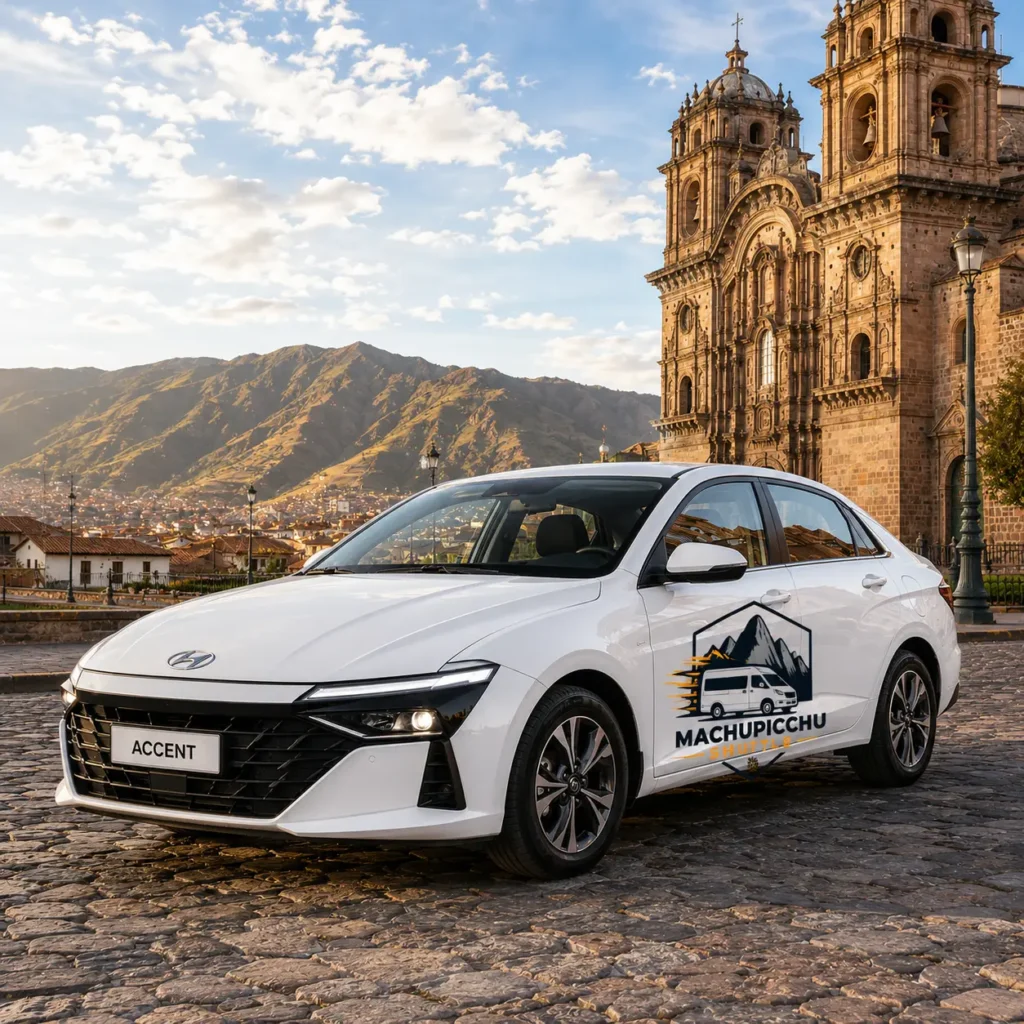
Machu Picchu Train Safety Checklist Before You Go
Use this short checklist to keep the trip smooth. It covers the steps that matter most.
Book flexible tickets, buy insurance, and keep a buffer day. Then save the contact numbers for your hotel, the train company, and your driver.
Also, read the Machu Picchu bus guide and our Cusco safety guide. They explain the next steps on the ground.
Pack Smart for Delays
Carry a phone charger, water, snacks, and any medicine in your daypack. Also, keep a warm layer and a rain jacket.
A small bag makes a night in Aguas Calientes or Ollantaytambo easier. Large suitcases can stay in Cusco.
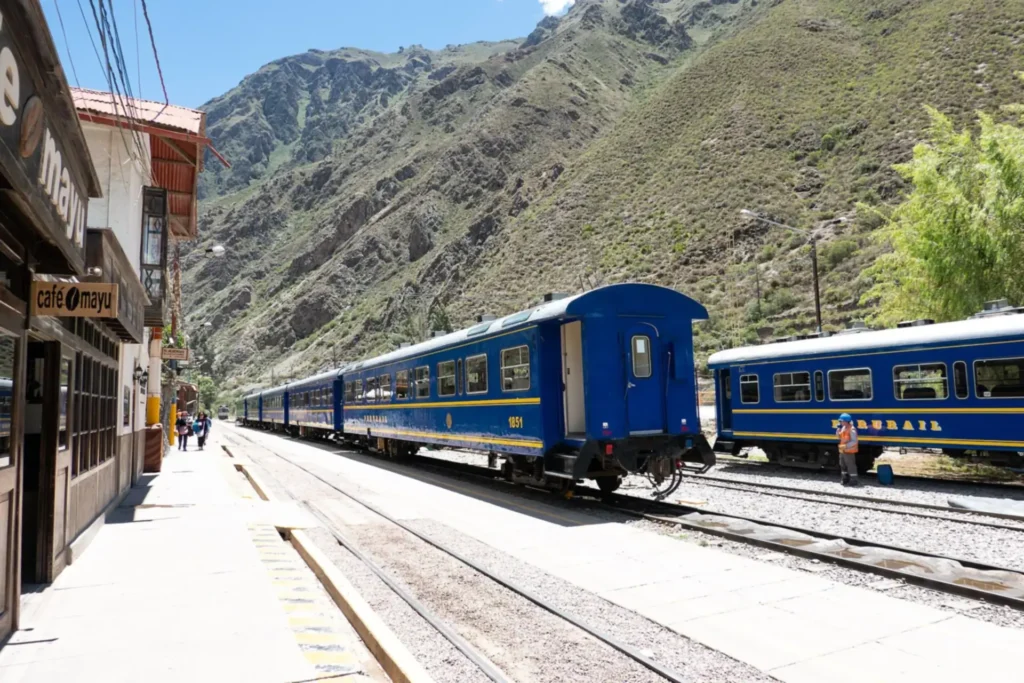
Is the Train to Machu Picchu Safe? Plan Ahead With a Private Driver
Is the train to Machu Picchu safe? It is a well-used route, and a calm plan with a backup makes any delay manageable.
A private driver gives you control on the road, from the hotel to the station and back. Share your train time and hotel, and we confirm a fixed price in minutes.
Is the train to Machu Picchu safe?
Most trips run smoothly, and thousands of travelers ride each week. However, rare incidents, strikes, and weather can cause delays, so plan with flexibility.
What happened in the Machu Picchu train crash?
On December 30, 2025, a PeruRail train collided with an Inca Rail train on the single track near Ollantaytambo. One conductor died and about 40 people were injured, according to news reports.
Are the trains running normally now?
Service resumed after the December 2025 crash and has run since. Check the company’s website for the latest status before you travel.
What if my train to Machu Picchu is canceled?
Contact the train company with your booking details to ask about rescheduling or a refund. Then tell your hotel and your driver so they can adjust your plans.
Should I buy travel insurance for the train?
Yes. A policy that covers trip delays and cancellations protects you if trains pause. Check that it includes train disruptions and missed connections.
Is it safer to take PeruRail or Inca Rail?
Both are established companies on the same line and the same station. Choose the train by schedule, station, and class rather than by safety.
How early should I arrive before my flight home?
Leave at least one full day between your Machu Picchu trip and your international flight. That buffer covers most delays.
Is there a backup if the trains stop?
Yes. The Hidroelectrica road route is the usual backup, with a private drive and a walk of about six miles. Another option is to wait in Ollantaytambo until trains resume.
Do you sell train tickets?
No. We provide private transport only, so we do not sell train tickets, entrance tickets, or tours.
How much is a private ride from Cusco to Ollantaytambo?
Our fixed fare is $44 for a sedan, $58 for a minivan, and $73 for a Sprinter, per vehicle.