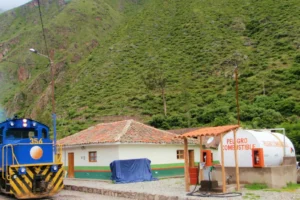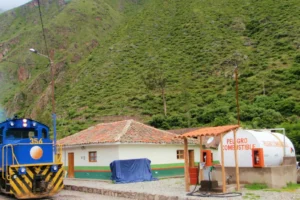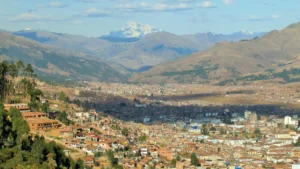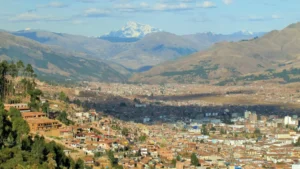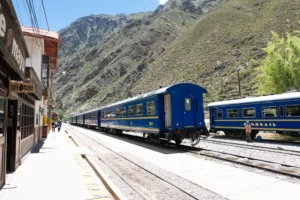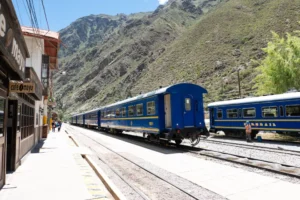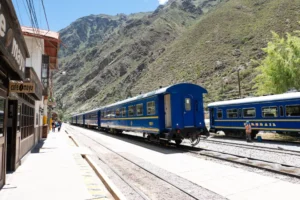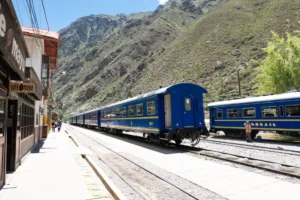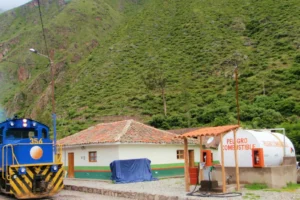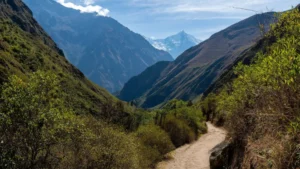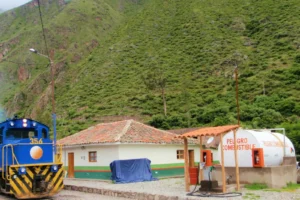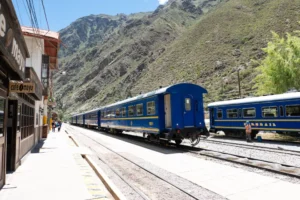
Taking the train from Cusco to Machu Picchu is one of the great journeys in South America. However, no train leaves from the center of Cusco on most days.
This guide explains which station to use, how long the trip takes, and how to reach the platform on time. It also shows how a private driver removes the stress from the morning.
We provide private transport only, so we do not sell train tickets, tours, or entry permits. Instead, we make sure you arrive at the right station, rested and on schedule.
Train From Cusco to Machu Picchu at a Glance
The Machu Picchu train ends in Aguas Calientes, also called Machu Picchu Pueblo. From there, a shuttle bus climbs to the citadel. Wikipedia describes it as a 15th-century Inca site above the Urubamba River.
Travelers usually board at one of two stations. Therefore, your Cusco Machu Picchu train plan begins with choosing between Poroy and Ollantaytambo.
Both options work well. However, they differ in travel time, season, and the ride you need beforehand.
Tickets are sold by the train companies, mainly PeruRail and Inca Rail. Book them early, because popular morning departures sell out in high season.
Which Station Does the Train From Cusco to Machu Picchu Use?
Most travelers think a train leaves from downtown Cusco. In reality, the rail line runs through the hills outside the city.
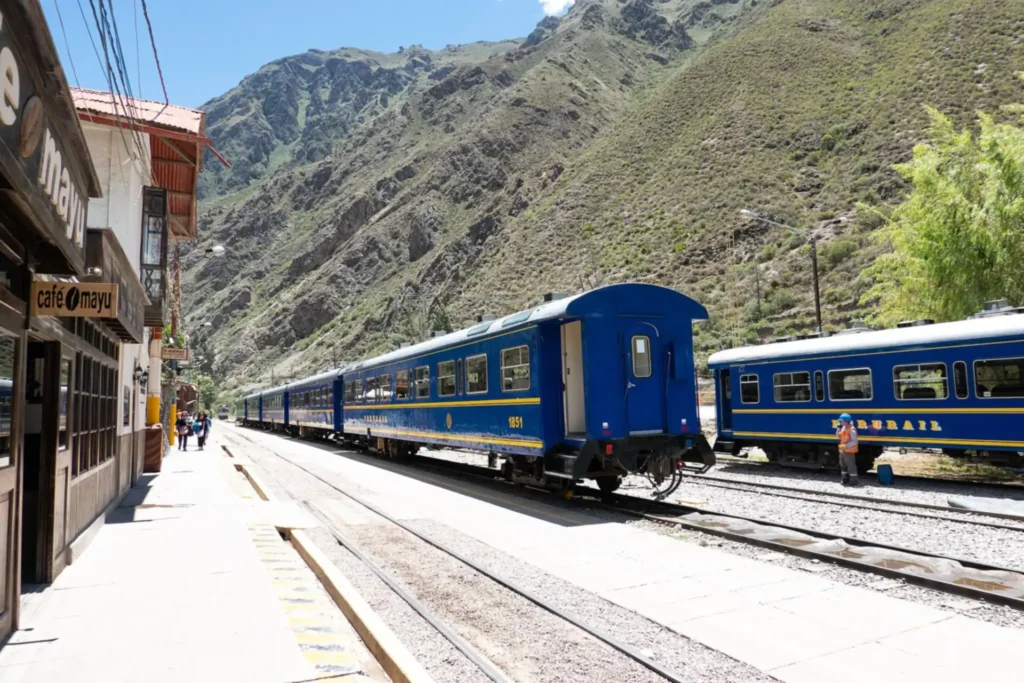
Poroy Train: The Cusco-Side Departure
Poroy sits on the western edge of Cusco, about 20 to 30 minutes by car from the historic center. You can read more in our Poroy train station guide.
According to PeruRail, trains from Poroy reach Machu Picchu in about three and a half hours. The station usually operates from May to December.
Because the track descends slowly, this is the longest rail trip. However, it is also the easiest start if you want to stay in Cusco until the last minute.
Ollantaytambo Station: The Year-Round Option
Ollantaytambo is a Sacred Valley town about two hours by road from Cusco. Trains run from here all year.
The rail ride to Aguas Calientes takes roughly an hour and a half to two hours. Our Ollantaytambo train station guide explains the layout and boarding steps.
Therefore, many travelers choose this station when they want a shorter time on the train. It is also the better choice when Poroy is closed.
Wanchaq Station in Cusco
Wanchaq is a station inside Cusco. It is mainly used by the bus-plus-train services and by long-distance trains.
On those services, a bus takes you from Wanchaq to Ollantaytambo, where you board the train. Our Wanchaq train station guide covers the details.
Because the service changes by season, always read your ticket carefully. The departure station is printed on it.
How Long Does the Train From Cusco to Machu Picchu Take?
From Poroy, plan on about three and a half hours on the train. Add 30 minutes for the ride from your hotel.
From Ollantaytambo, the train takes about an hour and a half to two hours. However, you must add the road trip from Cusco first.
That drive takes about two hours, so the total door-to-door time is similar. The main difference is where you spend those hours.
Finally, add the shuttle bus from Aguas Calientes to the gate. It takes about 25 to 30 minutes, and the first buses leave around 5:30 a.m.
How to Get From Cusco to the Train Station
You have three practical choices for the first leg. Each suits a different type of traveler.
Taxi From Your Hotel
A street taxi is cheap, but quality varies. Drivers may not know which train company you use.
In addition, early-morning taxis can be hard to find. Therefore, booking ahead is wise on departure day.
Shared Bus or Colectivo
Shared vans run to Ollantaytambo from the Cusco area. They are inexpensive but leave when full.
However, luggage space is limited and the timing is not fixed. This is a risk when you have a timed train ticket.
A Private Driver for Your Machu Picchu Train From Cusco
A private driver collects you at your hotel at an agreed time. The vehicle is yours alone, so there are no stops.
Your driver also knows the correct entrance, which matters at busy stations. Our Cusco to Ollantaytambo guide shows the road in detail. For the full journey, see our guide to train travel from Lima to Cusco and your real options. When you get off the train, our Machu Picchu bus queue tips help you avoid long lines. When you book, our guide to choosing between the two train companies can help. Read our guide to Machu Picchu train safety for delays and backup plans. Our guide to how to book Machu Picchu train seats explains prices and booking time. For more detail, see our Inca Rail classes and rules explained, PeruRail classes and rules explained, and guide to Machu Picchu train times. Many guests also ask about the Lima to Machu Picchu trip planner, so we wrote a full guide. Planning the whole trip? Our guide to how far Machu Picchu is from Lima covers every step. Heading home afterward? Our return trip from Machu Picchu to Lima explains each leg. Not sure what to leave your driver? Our Peru tipping guide for drivers has simple ranges.
Private Ride Prices for the Cusco Machu Picchu Train

A private ride from your Cusco hotel to Poroy station costs $20 by sedan. A minivan costs $35, and a Sprinter costs $58. Prices are per vehicle, not per person.
A private ride from Cusco to Ollantaytambo station costs $44 by sedan, $58 by minivan, or $73 by Sprinter.
If you sleep in Urubamba, the ride to Ollantaytambo station costs $45 by sedan. A minivan costs $65, and a Sprinter costs $80. Pickups from other Sacred Valley hotels are priced on request.
Tips are not included. We confirm your fixed price before you book.
Cusco to Machu Picchu by Train: Poroy or Ollantaytambo?
Choose Poroy if you want a calm start in Cusco. The drive is short, and you avoid the long road to the valley.
Choose Ollantaytambo if you want less time on the train. It is also the safer pick when the Poroy service is closed.
Travelers with young children often prefer the shorter rail ride. However, others enjoy the slow, scenic descent from Poroy.
If you are unsure, send us your train ticket. We will tell you exactly when to leave your hotel.
Planning Your Day Around the Cusco Machu Picchu Train
Arrive at the station about 45 to 60 minutes before departure. Therefore, ask your driver to pick you up early.
Next, work backward from your Machu Picchu entry time. Aim to reach Aguas Calientes about 90 to 120 minutes before your slot.
That buffer covers the shuttle queue, the bus ride, and the entrance line. As a result, a delayed train will not ruin your morning.
Also, our Machu Picchu by train guide explains the ticket types and seats.
A Sample Day: Cusco to Machu Picchu by Train and Back
Here is a typical day for the Poroy departure. First, your driver arrives at your Cusco hotel at 5:30 a.m.
You reach Poroy by 6:15 a.m. and board a morning train. After about three and a half hours, you arrive in Aguas Calientes.
Next, you take the shuttle to the citadel and visit at your timed slot. Later, you ride the train back and meet your driver.
For the Ollantaytambo departure, the day starts earlier. Your driver leaves Cusco around 4:30 a.m. to reach the station in time.
Luggage Rules and What to Pack
Train companies limit baggage on the Machu Picchu route. PeruRail allows one backpack up to 8 kg or a carry-on up to 12 kg. Inca Rail allows one hand item of about 8 kg.
Check your ticket for the current limit. Larger suitcases can usually stay at your Cusco hotel.
Our driver can also help with luggage storage plans. Therefore, you only carry a daypack on the train.
Pack a rain jacket, sun protection, water, and your passport. The passport is required with your entry ticket.
Coming Back to Cusco After Machu Picchu
Most travelers return on an afternoon or evening train. Your journey then continues by road from the station.
From Ollantaytambo, the ride back to Cusco takes about two hours. From Poroy, it takes about 30 minutes.
Your driver tracks the train and waits at the exit. If the train runs late, we adjust the pickup at no extra stress for you.
You can read our Ollantaytambo to Cusco guide for the return road.
The Best Season for the Train From Cusco to Machu Picchu
Peru has a dry season from May to September and a wet season from November to March. Dry months bring clear views and higher prices.
Therefore, book both your train and your station transfer early in July and August. The rainy months are quieter but need flexible plans.
From January to April, some services change because of weather and track work. As a result, always confirm your station before you travel.
Who Benefits Most From a Private Station Transfer
Families and Groups
Children and grandparents handle a train morning better when the ride is simple. A private vehicle gives everyone room for bags and snacks.
Also, no one must wait for a shared van to fill up. Your group leaves when you are ready.
Travelers With Luggage
Many visitors arrive in Cusco with large bags. A private vehicle stores them safely while you head to the station.
You can read our Cusco airport transportation guide if you land the same day.
Early Risers on a Tight Schedule
Some trains leave before sunrise. Therefore, a reliable driver is worth more than a cheaper taxi.
Our drivers know the roads at dawn and plan extra time for traffic and weather.
What Happens if Your Train Is Delayed?
Delays are rare, but mountain weather can slow the line. A landslide or a heavy storm may change a departure.
If this happens, tell your driver as soon as you know. Therefore, your pickup moves with your train instead of waiting at a fixed time.
Also, keep your train confirmation on your phone. Station staff can then update your boarding and seat quickly.
We never rush a traveler into a wrong station. Instead, we confirm your departure point the day before and again that morning.
Safety and Comfort on the Road to the Station
Your safety is our first priority. Our vehicles are clean, well maintained, and driven by experienced local professionals.
In addition, the roads to the valley are paved but winding. A calm, steady driver makes the early start easier.
Cusco sits at about 3,400 meters, or 11,150 feet. Therefore, rest, drink water, and move slowly on your first day.
Add the Train to Your Cusco and Sacred Valley Plan
Many guests combine the train with a Sacred Valley visit. Our Cusco to Sacred Valley guide shows how to fit it together.
Also, you can compare other routes in our Cusco to Machu Picchu guide. It covers every way to reach the citadel.
If you plan a day trip, read our Machu Picchu day trip guide as well.

Book Your Private Ride to the Train Station
Tell us your train time, hotel, and number of travelers. We confirm a fixed price and send a clear quote.
Send your request today, and begin your train from Cusco to Machu Picchu relaxed and on time.
Does a train leave from Cusco to Machu Picchu?
Yes, but not from the center. Trains leave from Poroy, Ollantaytambo, or by bus-plus-train from Wanchaq, depending on the season and ticket.
How long is the train from Cusco to Machu Picchu?
From Poroy, it takes about three and a half hours. From Ollantaytambo, the train takes roughly an hour and a half to two hours.
How far is Poroy station from Cusco?
Poroy is about 20 to 30 minutes by car from the historic center. A private ride costs $20 by sedan.
How far is Ollantaytambo station from Cusco?
The drive takes about two hours. A private ride costs $44 by sedan, $58 by minivan, and $73 by Sprinter.
Which station is better for the Cusco Machu Picchu train?
Poroy is closer to Cusco but has the longer train ride. Ollantaytambo has a shorter rail trip and runs all year.
Do you sell train tickets?
No. We provide private transport only. Buy your ticket from PeruRail or Inca Rail, then send us the time.
How early should I arrive at the station?
Plan to arrive 45 to 60 minutes before departure. We schedule your pickup to match your ticket.
Can you pick me up when I return?
Yes. We meet you at Ollantaytambo or Poroy and drive you to your Cusco hotel. We also track delays.
Can I bring a large suitcase on the train?
Baggage is limited on the Machu Picchu route. Leave large bags at your Cusco hotel and carry a daypack.
Is a private ride better than a taxi to the station?
A private ride has a fixed price and a driver who knows the correct station entrance. It also avoids the risk of no taxi showing up at dawn.