Planning a Sacred Valley trip is one of the best decisions you can make before visiting Machu Picchu. This fertile valley sits between Cusco and Machu Picchu. It holds some of the most impressive Inca sites in Peru.
Most travelers only spend a few hours here on a rushed group tour. A proper Sacred Valley trip deserves at least a full day, and ideally two.

What Is the Sacred Valley and Where Is It
Location and Geography
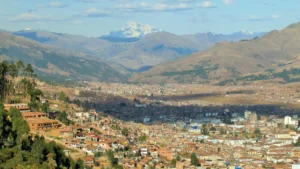
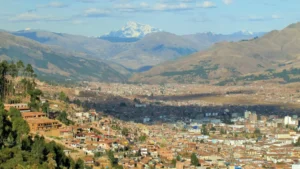
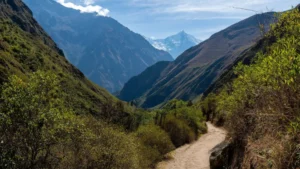
The Sacred Valley follows the Urubamba River for about 60 kilometers, from Pisac in the east to Ollantaytambo in the west, with each town offering a different mix of ruins, markets, and scenery.
Altitude and Acclimatization
The Sacred Valley sits at a lower altitude than Cusco. Many travelers use it to adjust before pushing higher into the mountains. That eases altitude sickness before trekking or visiting Machu Picchu.
The valley floor sits close to 2,800 meters, noticeably lower than Cusco’s 3,400 meters. Sun protection and a light jacket still matter year-round.
A Living Piece of Inca History
It was also central to the Inca empire. Farming terraces, temples, and fortress ruins remain remarkably intact across the valley.
Skipping it means missing sites that are just as impressive as Machu Picchu itself, without the crowds.
Is a Sacred Valley Trip Right for You?
How Many Days You Need
A single full day covers Pisac, Ollantaytambo, and either Chinchero or Maras and Moray comfortably with a private driver. Planning a longer stay? Our sample Cusco itineraries show how to spread two to five days.
Two days lets you slow down, visit all four towns, and still have time for the local markets and a proper lunch stop.
Which Towns to Prioritize If You Are Short on Time
If you can only pick two stops, choose Pisac and Ollantaytambo. Together they cover the most history in the least driving time. Our Cusco to Ollantaytambo shuttle gets you there directly.
Travelers with a strong interest in local crafts should add Chinchero, while those chasing photographs usually prioritize Maras and Moray instead.
A private driver can adjust this plan in real time, based on how much daylight and energy you have left. Our guide to full-day outings from the city compares more routes beyond the valley.
Best Places to Visit on a Sacred Valley Trip
Four towns make up the heart of any Sacred Valley trip. Each one offers something different.
Pisac
Pisac has a hilltop Inca site with some of the finest stone terracing in the region. The town below hosts a busy artisan market. Our Cusco to Pisac guide compares every way to get there. Also, our Sacred Valley of the Incas transport guide shows how to move between the towns.
The market runs largest on Tuesdays, Thursdays, and Sundays, when vendors sell textiles, ceramics, and silver jewelry in the main plaza.
A short climb above town leads to a viewpoint over the terraces and the Urubamba River below.

Ollantaytambo
This is the best-preserved Inca town in Peru. Its steep temple-fortress and cobblestone streets still follow the original Inca layout.
Locals still live inside the original Inca walls, using stone canals built centuries ago to carry water through the streets.
Across the valley floor, the storage buildings of Pinkuylluna cling to the cliffside, built high up to keep grain cool and dry.

Chinchero
Chinchero is known for its colonial church built over an Inca temple, plus traditional weaving demonstrations.
Local weavers show how they wash, spin, and dye wool with plants and minerals, using techniques passed down for generations.
At nearly 3,800 meters, Chinchero sits higher than the other three towns, with wide views across patchwork fields.

Maras and Moray
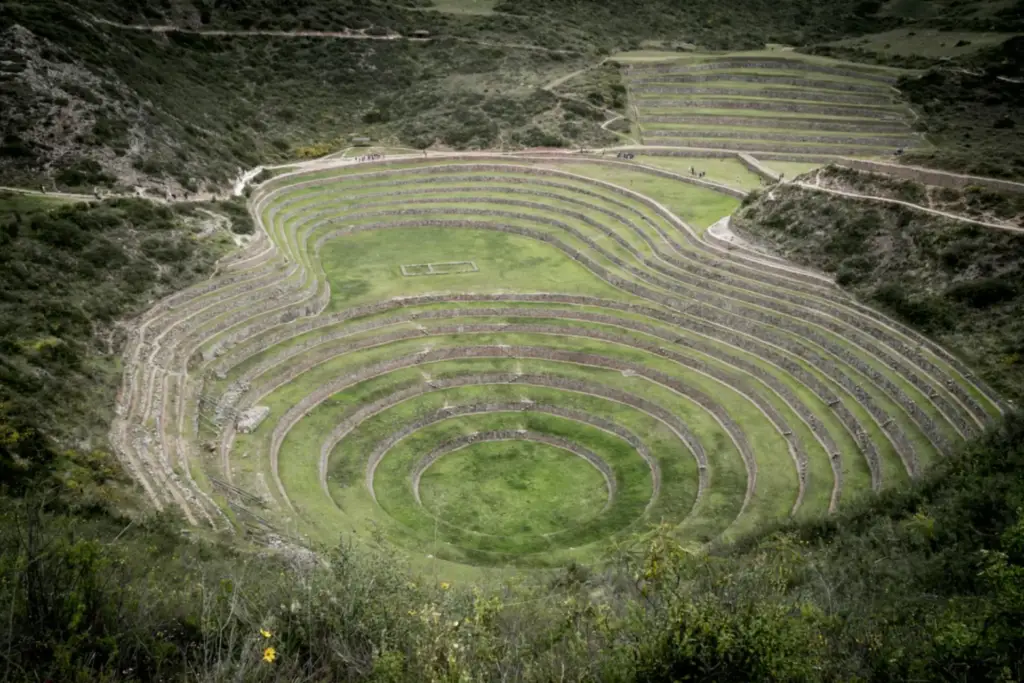
Maras holds thousands of pink salt pans still worked by hand. Nearby, Moray features circular Inca terraces once used for crop experiments. Read our full Maras and Moray guide for more detail on both sites.
Planning Your Sacred Valley Trip
Best Time to Visit
The dry season from May to September offers the clearest skies and easiest travel across the valley. For the full picture, see our month-by-month Cusco weather guide. Also, our Urubamba Peru guide covers the town and how to reach it. Not sure how to reach each stop? Compare tour pickup versus a private transfer before you book. Our safe taxi to Ollantaytambo guide covers this step by step.
The rainy season, from November to March, brings fewer crowds and greener terraces, though some dirt roads become muddier.
Nights turn cold in the dry season, especially between June and August, so a warm layer earns its space in your bag.
Tickets, Cash, and What to Pack
Pisac, Ollantaytambo, and Chinchero are covered by the Boleto Turístico, a combined ticket that also includes several sites in Cusco. The plateau town is covered in our Cusco to Chinchero guide. For a quiet base, see Cusco to Calca.
The ticket stays valid for 10 days, which works well if your Sacred Valley trip spans more than a single day.
Comfortable walking shoes help at every stop, since most sites involve uneven stone steps and dirt paths.
Small towns like Pisac and Chinchero have limited ATMs, so carrying Peruvian soles is worth doing before you leave Cusco.
Cell signal drops in and out along the valley, so download offline maps before you go.
Where to Eat
Urubamba and Ollantaytambo have the widest range of restaurants, from simple menu turístico spots to sit-down places with valley views.
Pisac and Chinchero work better for a quick market lunch than a full sit-down meal. Plan accordingly if lunch timing matters to your schedule.
Sample Itineraries
A one-day Sacred Valley trip usually starts early, around 7:00 or 8:00 a.m., with Pisac first while the market is still quiet.
From there, a private driver continues to Ollantaytambo for lunch, then either Chinchero or Maras and Moray on the way back to Cusco. Prefer a one-way route that ends in the valley? Try our Cusco to Ollantaytambo via Maras and Moray transfer. Our Pisac Peru guide covers the first big town on the road. A simple sacred valley map helps you decide which towns to combine in one day. For a plateau stop with Inca terraces, see Moray Cusco.
A two-day version splits the same stops with an overnight in Urubamba, leaving time for all four towns without rushing. For road options and drive times, read our guide to the road from Cusco into the valley. The drive to the salt ponds is covered in Cusco to Maras.
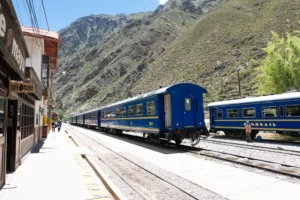
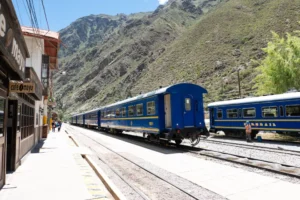
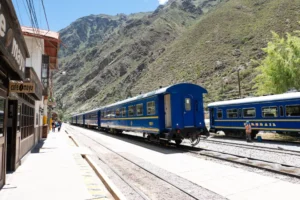
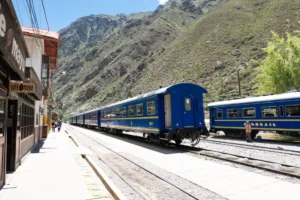
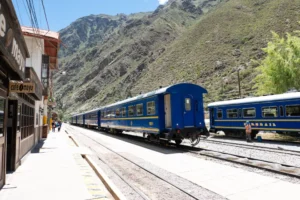
The second day can end at the Ollantaytambo train station instead of returning to Cusco, connecting straight through to Machu Picchu. Our Machu Picchu by train guide compares every route. For the road back from the station, see our guide to the return drive. Our boleto turistico cusco guide explains which sites each circuit covers.
Combining Your Sacred Valley Trip With Machu Picchu
Many travelers treat the Sacred Valley as a stopover rather than a separate trip, sandwiched between Cusco and Machu Picchu. If you land in Cusco first, our Cusco airport transport can start that trip smoothly. Continuing to the ruins? Read our guide to Cusco airport to Machu Picchu. Shopping in town? Read our Pisac market guide before you go.
Ollantaytambo works well as a base the night before an early train, cutting travel time compared to starting from Cusco.
Many travelers spend a night in Urubamba or Ollantaytambo, then continue straight to Machu Picchu the next morning instead of backtracking to Cusco. Our guide on getting from the Sacred Valley to Machu Picchu covers that route in detail.
A private driver can combine a full Sacred Valley day with a drop-off at the train station. That avoids a second trip back to Cusco.
This approach turns two separate trips into one smooth route, without losing time on an extra return drive to Cusco.
Common Mistakes First-Time Visitors Make on a Sacred Valley Trip
Visiting Pisac market at midday is a common mistake. Tour buses arrive by late morning, and the narrow streets fill up fast.
Skipping cash is another one. Small entrance fees, snacks, and market purchases across the Sacred Valley are almost always cash-only.
Trying to see all four towns by public transport in a single day rarely works, since connections between towns are infrequent.
Underestimating the cold is a fourth mistake. Clear skies during the day can hide how quickly temperatures drop once the sun goes down.
Getting to the Sacred Valley: Why Private Transport Makes the Difference
Most visitors choose between a shared group tour or a private driver. Each option changes the trip significantly.
A shared bus follows a fixed schedule with a large group. You get limited time at each stop, and no control over the pace.
A private transfer lets you set your own order of towns, skip crowded midday hours, and stop wherever you like along the way.
This matters most at Maras and Moray, since both sites sit down long dirt roads that shared buses often skip entirely.
A full-day private Sacred Valley tour starts at $87 for a sedan carrying up to three passengers. Minivans run $122, and Sprinter vans for larger groups run $137.
That rate covers the driver and vehicle for the full day. Entrance tickets to the ruins are separate, paid directly at each site or through the Boleto Turístico.
Frequently Asked Questions About a Sacred Valley Trip
Here are the most common questions travelers ask about planning a Sacred Valley trip.
How many days do I need in the Sacred Valley?
Can I visit the Sacred Valley without joining a tour group?
What is the best town to stay in when visiting the Sacred Valley?
Urubamba and Ollantaytambo are the two most common bases, both offering easy access to Pisac, Chinchero, Maras, and Moray.
Do I need a guide to visit the Sacred Valley?
A guide is optional. Many sites have posted information, though a driver-guide adds useful context at each stop.
Is the Sacred Valley worth visiting before Machu Picchu?
What ticket do I need for the Sacred Valley ruins?
How cold does it get in the Sacred Valley?
Nights can drop close to freezing during the dry season, especially from June to August. Mornings and evenings call for a warm layer, even when afternoons stay mild.
How much does a private Sacred Valley tour cost?
Ready for Your Sacred Valley Trip?
A private driver removes every logistics headache from your Sacred Valley trip, from timing to route to pace. Explore all of our Cusco private transfers and tours. Once you are ready to continue on, see our guide on getting from Sacred Valley to Machu Picchu.
Machupicchu Shuttle offers both a private Sacred Valley Day Tour and point-to-point transfers between any of these towns.