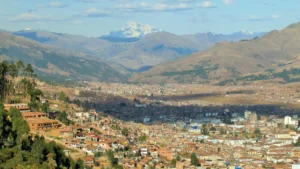
Cusco altitude is about 3,400 meters (11,155 feet) above sea level. That is high enough to slow almost every traveler on the first day.
This guide compares Cusco altitude with the Sacred Valley and Machu Picchu. Then it shows how a calm, private arrival makes the first day easier.
We provide private transport only. Therefore, we cover the ride, and your own doctor covers medical advice.
Cusco Altitude in Meters and Feet
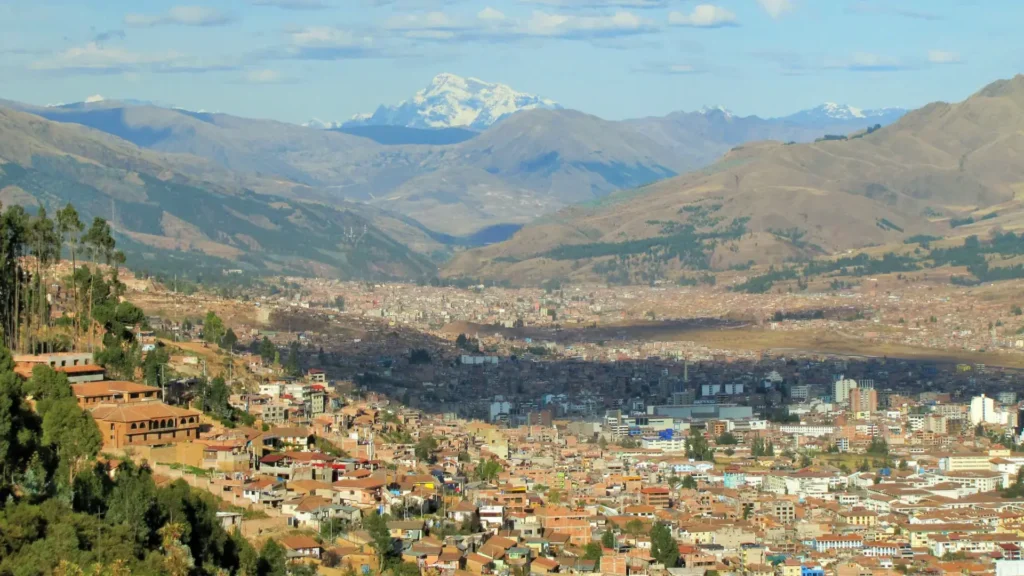
Cusco stands near 3,400 meters, according to Salkantay Trekking. Wikipedia lists a similar figure.
The airport sits slightly lower, at about 3,310 meters, per Wikipedia. However, the old center sits higher than the terminal.
For comparison, Lima sits near sea level. Therefore, a single flight lifts you more than 3,000 meters.
Cusco Altitude Compared With the Sacred Valley
The Sacred Valley is lower than Cusco. Salkantay Trekking gives a range of 2,600 to 3,000 meters.
Urubamba sits at 2,871 meters, Ollantaytambo at 2,792 meters, and Pisac at 2,972 meters. Therefore, each town lies roughly 400 to 600 meters below Cusco.
Machu Picchu is lower still. The citadel stands near 2,430 meters, according to Wikipedia.
Higher Than Cusco: Popular Day Trips
Some outings climb higher. Tipon spans 3,250 to 3,960 meters, per TR Experience.
Rainbow Mountain is higher still. Its trailhead sits near 4,326 meters, and the viewpoint reaches about 5,036 meters, per our Rainbow Mountain guide.
Fitness and Cusco Altitude
Fitness does not protect you from altitude. Healthy, active travelers can feel unwell too.
Therefore, treat the altitude with respect, even if you run or hike at home. Also, listen to your body and slow down early.
What Cusco Altitude Does to Your Body
Thinner air means less oxygen in every breath. As a result, you tire faster and may feel unwell.
Why Cusco Altitude Feels Different for Everyone
Altitude affects each traveler differently. Age, health, and recent trips all play a role.
Some people feel fine, while others feel a headache within hours. Therefore, do not compare your day with a friend’s day.
As a result, plan a flexible first day with no fixed tours. Likewise, build a buffer into your first morning, because a late start costs you nothing.
Common Symptoms at Cusco Altitude
Typical symptoms include headache, nausea, fatigue, dizziness, poor sleep, and shortness of breath. The Salkantay guide cites the Mayo Clinic and the CDC for these.
Symptoms can start 6 to 24 hours after you arrive. Mild symptoms usually improve within 24 to 48 hours.
When to Get Medical Help
Seek urgent care for breathlessness at rest, confusion, or chest pain. Likewise, a persistent cough with frothy mucus needs prompt care.
Continuous vomiting or loss of balance also needs attention. In addition, see a clinic if symptoms do not improve after 48 hours.
For background, read the Mayo Clinic overview and Wikipedia. We are not doctors, so ask your own doctor before you fly.
How to Handle Cusco Altitude on Arrival Day

The first 24 hours matter most. Therefore, plan an easy day and protect your energy.
Take It Slow From the Airport
Walk slowly through the terminal, and breathe deeply. Also, carry your daypack instead of lifting heavy bags.
Our Cusco airport guide explains the arrivals hall. Moreover, your driver loads the bags for you.
Also, sit down if you feel dizzy. Then take a few slow breaths before you walk on.
Drink Water and Eat Light
Drink water steadily through the day. Choose light, carbohydrate-rich meals, and skip heavy, greasy food.
In addition, avoid alcohol on the first night. Also limit caffeine, per the Salkantay guide.
Coca Tea and Rest
Many hotels offer coca tea, a traditional hot infusion. Take it in moderation, and try muña tea at night.
Pack for Cold Nights
Cusco nights can feel cold, even after a sunny day. Therefore, pack layers and a warm jacket.
Our best time to visit Cusco guide explains the weather month by month. Also, warm clothes help you rest better.
A Calm First Evening
Take a short walk around the old center, then return to rest. Keep dinner light and early.
Also, set a gentle plan for the next morning. Therefore, you wake up without pressure.
Signs You Should Slow Down
A mild headache, a racing pulse on stairs, or a dry mouth all mean it is time to rest. Sit down, sip water, and breathe slowly.
If symptoms grow, tell your driver or your hotel. In addition, follow the medical advice above.
Why Water Matters
The air is dry at altitude. Therefore, you lose water faster than you expect.
Also, sip small amounts often instead of drinking a lot at once.
What About Medication?
Acetazolamide, often called Diamox, is widely used for altitude sickness. However, it requires a doctor’s advice before you take it.
Ibuprofen can ease a mild headache, but it does not prevent altitude sickness. Therefore, talk with your doctor about a plan.
How Many Days Do You Need to Adjust to Cusco Altitude?
Most guides agree that two days is the minimum. One day carries real risk, while three days or more suit trekkers.
Our how many days in Cusco guide offers sample plans for each length of stay.
Sleep Lower First: The Sacred Valley Option
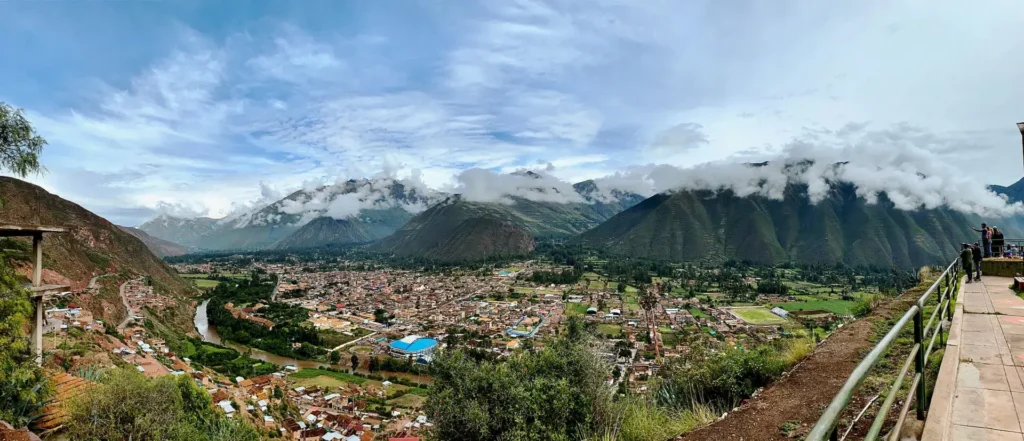
Some travelers sleep in the Sacred Valley first. The valley sits 400 to 600 meters lower, so many people feel better there.
Then they return to Cusco after one or two nights. Salkantay Trekking lists this as an option.
Straight to the Valley From the Airport
Your driver can take you from the airport straight to your valley hotel. Our Cusco airport to Sacred Valley guide explains the route.
A ride to Urubamba hotels costs $45 for a sedan, $65 for a minivan, and $80 for a Sprinter. Meanwhile, the Ollantaytambo station ride costs $44, $58, and $73.
Altitude and the Machu Picchu Train
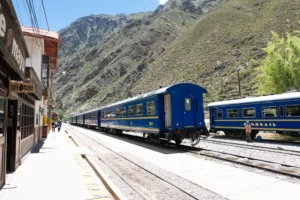
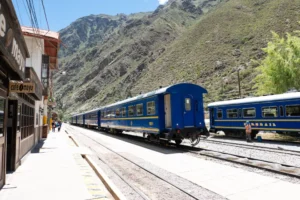
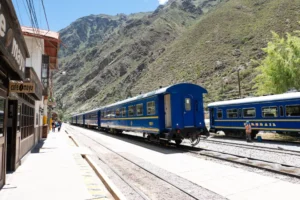
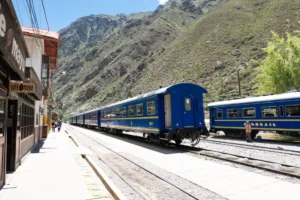
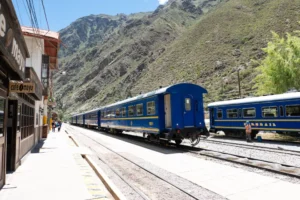
Machu Picchu sits lower than Cusco, so many travelers feel better on the way down. Most train trips start at the Ollantaytambo station.
Our Machu Picchu by train guide explains the classes, and our Ollantaytambo guide covers the town. Moreover, our Cusco to Ollantaytambo shuttle gets you to the platform. Heading to the Salkantay trailhead?At the airport, altitude still matters, as our Cusco airport departure guide explains. Flying in from Lima? Our Lima Cusco train guide explains your options and the altitude change. Plan a gentle first day, and see how private rides and tour pickups work in Cusco. Planning the whole trip? Our Lima to Machu Picchu transport guide covers every step. Many guests also ask about the Lima to Machu Picchu travel time breakdown, so we wrote a full guide. You may also like our return guide from Machu Picchu to Lima, which compares timing and costs.
Cusco Altitude and Your Private Transport

Transport shapes how much effort the altitude asks of you. Therefore, a smooth ride helps.
Why a Private Driver Helps
You skip stairs, long queues, and heavy lifting. As a result, you save your breath for the sights.
Your driver meets you at arrivals and handles the bags. Moreover, the ride to a Cusco hotel takes about 20 minutes.
Prices for Arrival Rides
A Cusco airport ride costs $15 for a sedan, $25 for a minivan, and $40 for a Sprinter. Our Cusco to Urubamba guide covers the longer valley ride.
Rates are per vehicle, not per person. We confirm a fixed price before you book.
A sedan seats up to three passengers, a minivan four or five, and a Sprinter up to 15. See our fleet page.
An Arrival Day Checklist
First, drink water on the plane and in the terminal. Next, walk slowly to your driver.
Then ride to your hotel, and rest for an hour. Finally, eat a light meal and stay near the hotel.
Also, avoid alcohol and big climbs on day one. As a result, the first day feels far gentler.
Families and Older Travelers
Families and older travelers often need a gentler pace. Therefore, share your group’s needs when you book.
We suggest a vehicle size and a calm route. Also, ask a doctor about heart, lung, or blood pressure conditions before you travel.
Cusco Altitude on Day Trips and Treks
Plan your high trips after your body adjusts. For example, Humantay Lake and Rainbow Mountain sit far above the city.
Our Humantay Lake guide and Cusco day trips guide explain each outing.
Common Mistakes at Cusco Altitude
The first mistake is booking a full tour on the morning you land. Therefore, keep your first day light.
The second mistake is drinking alcohol on the first night. Likewise, heavy meals make you feel worse.
The third mistake is rushing up stairs and steep streets. As a result, even short climbs leave you breathless.
Finally, many travelers forget to drink water. Therefore, carry a bottle and sip all day.
Packing for Cusco Altitude
The sun feels stronger at altitude. Therefore, pack sunscreen, a hat, and sunglasses.
Also bring layers, a refillable water bottle, and any medication your doctor approves. Moreover, a small daypack keeps your hands free on cobbled streets.
Cusco Altitude and Sleep
Poor sleep is a common symptom of altitude. Therefore, plan an early, quiet night after you arrive.
Also, keep your room calm and your evening plans simple. As a result, your body adapts more easily.
A Sample Gentle Schedule
On day one, rest and walk slowly through the old center. On day two, visit lower sites such as the valley towns.
From day three, add higher outings. Therefore, your body has time to adapt.
Frequently Asked Questions
How high is Cusco altitude?
Cusco stands near 3,400 meters, or about 11,155 feet. The airport sits slightly lower, at about 3,310 meters.
Is the Sacred Valley lower than Cusco?
Yes. Urubamba sits at 2,871 meters, Ollantaytambo at 2,792 meters, and Pisac at 2,972 meters.
How long does altitude sickness last in Cusco?
Mild symptoms usually improve within 24 to 48 hours. See a clinic if they do not improve after 48 hours.
When do altitude symptoms start?
They can start 6 to 24 hours after you arrive. Therefore, keep your first day easy.
How many days do I need to adjust?
Two days is the stated minimum. Three days or more suit trekkers.
Should I sleep in the Sacred Valley first?
Many travelers do, because the valley sits lower. Your driver can take you from the airport straight to your hotel.
Does Machu Picchu have the same altitude as Cusco?
No. The citadel stands near 2,430 meters, which is lower than Cusco.
How many passengers and bags fit in each vehicle?
The sedan seats up to three, the minivan four or five, and the Sprinter up to 15. Tell us your luggage count, and we suggest the right size.
Do you sell tours, tickets, or hotels?
No. We provide private transport only, so other providers handle tickets, guides, and hotels.
Book Your Arrival Ride for Cusco Altitude
Arrive rested, and let a driver handle the first hours. Then you can spend your energy on the city.
Share your flight number, your hotel, and your group size. We will confirm your private ride and a fixed price.