Humantay Lake from Cusco is one of the most rewarding day trips in the Peruvian Andes. It’s a turquoise glacial lagoon reached by a scenic drive and a steep, unforgettable hike. Our transport guide to another long highland day explains a similar early start.
The lake sits below Apu Humantay, a peak considered sacred in Andean tradition. Its striking color comes from fine glacial sediment suspended in cold, clear water.
This guide covers the real distance and drive time from Cusco, and what the hike actually feels like at altitude. It also covers when to go and how to prepare so the trip goes smoothly.
Many travelers pair this trip with Rainbow Mountain, Peru’s other bucket-list day hike from Cusco. Both are high-altitude experiences best tackled after a day or two of acclimatization.The lake also sits near the start of the Salkantay trek. Pickups here can be before dawn, and this guide explains how tour pickups work in Cusco.
What Is Humantay Lake and Where Is It
Location and Distance From Cusco
Humantay Lake sits in the Mollepata district of Anta province, roughly 124 kilometers (about 77 miles) northwest of Cusco by road.
The drive itself takes about three hours to reach the village of Mollepata. From there, another 30 minutes on a rougher road leads up to Soraypampa, the trailhead where the hike begins. Door to door, plan on roughly three and a half hours each way from your hotel in Cusco.
The route climbs steadily out of the Cusco valley, passing small farming villages. The road then narrows as the peaks close in around Soraypampa. It is a scenic drive in its own right. Most of it happens before sunrise on a typical day trip.
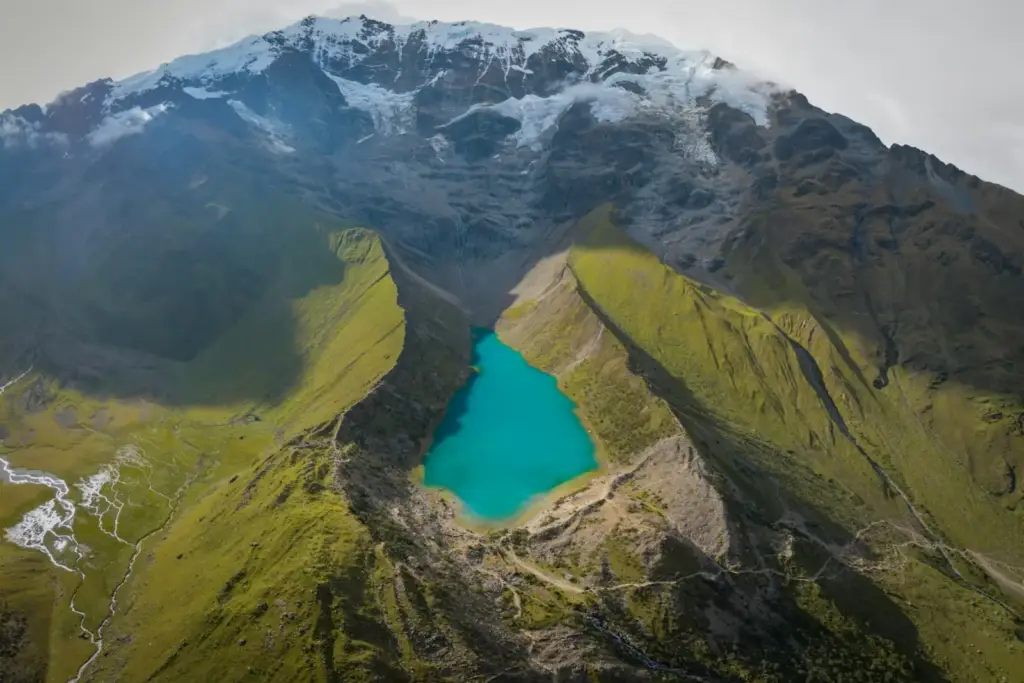
How High Is Humantay Lake? (Altitude & Elevation)
Humantay Lake itself sits at 4,200 meters (13,780 feet) above sea level. The Soraypampa trailhead, where you start hiking, is already at roughly 3,875 to 3,900 meters (about 12,713 feet).
That’s higher than Cusco itself (3,399 meters), so altitude is the real challenge here, not technical difficulty. Expect the air to feel noticeably thin, especially on the steeper sections near the top.
Common symptoms at this altitude include headache, fatigue, and shortness of breath. Spending at least one full day acclimatizing in Cusco before attempting Humantay Lake makes a real difference. Staying hydrated on the trail helps too.
If you already have symptoms of altitude sickness before setting out, it is worth postponing the hike a day. Pushing through a headache or nausea at 3,900 meters rarely improves. Soraypampa itself has no real medical facilities beyond basic first aid.
What Makes the Water That Turquoise Color?
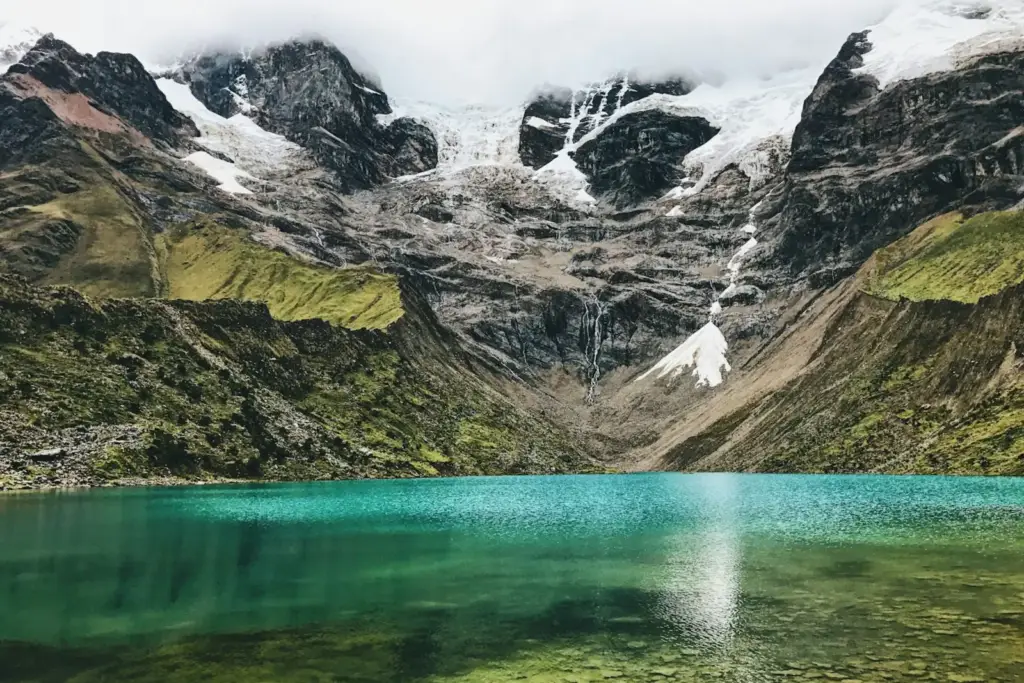
Humantay Lake’s striking color comes from extremely fine glacial sediment, sometimes called glacial flour, suspended in the meltwater. Combined with the water’s clarity and how sunlight scatters through it, the color shifts between deep turquoise and pale jade. The exact shade depends on the time of day and cloud cover.
Is the Hike Right for You?
How Difficult Is the Hike?
From the Soraypampa trailhead, it’s about 1.5 to 2 hours of steady uphill walking to reach Humantay Lake, and roughly 1.5 hours back down.
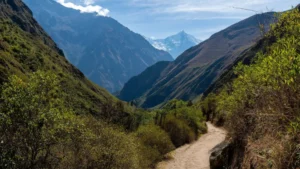
The trail is rocky underfoot and lined with highland vegetation, climbing through a valley surrounded by snow-capped peaks. It’s rated moderate difficulty, not technical. But the combination of altitude and a steady grade makes it feel harder than the distance suggests. Most hikers in reasonable shape manage it fine after a day or two acclimatizing in Cusco.
Can I Ride a Horse Instead of Hiking?
Yes. Travelers who’d rather not hike the full distance can rent a horse at the Soraypampa trailhead for around 100 soles. It covers most of the climb, leaving just a short walk to the lakeshore.
Do I Need Extra Days in Cusco Before the Hike?
Cusco itself sits at 3,399 meters, and the Humantay Lake trailhead is still nearly 500 meters higher. It’s worth giving your body time to adjust before tackling the climb.
Planning Your Trip
Best Time to Visit Humantay Lake
The dry season, from April through September, offers the clearest skies and the easiest walking conditions. See our Cusco seasons guide for month-by-month weather. It’s also when the trail sees the most visitors. The drive to the trailhead is covered in our Cusco to Soraypampa guide.
Visiting during the rainy season, October through March, means fewer people on the trail. Expect muddier paths, though, and a real chance of clouds hiding the lake’s color entirely.
Whichever season you go, aim to reach Humantay Lake and start heading back before early afternoon. Strong winds tend to pick up after around 1 PM, making the exposed upper trail considerably less pleasant.
What to Pack and How to Prepare
Dress in layers. Mornings start cold, and the climb warms you up quickly. Wind at the lake can cut right through a light jacket.
Bring cash for the entrance fee and, if you want one, the horse rental. Card payment isn’t an option this far into the mountains.
Sun protection matters more than you’d expect at Humantay Lake’s altitude. Pack sunscreen, sunglasses, and a hat, even on a cloudy-looking morning.
Water and a light snack help with the altitude. Comfortable, broken-in hiking shoes also make a real difference on the loose, rocky sections near the top. For official travel advisories and seasonal planning, Peru’s tourism board at peru.travel is a useful starting point.
What a Full Day Trip Actually Looks Like
Most Humantay Lake day trips from Cusco start early, with pickup around 4 AM. That gets you to the trailhead, on the hike, and back before the afternoon wind picks up.
A typical itinerary includes a breakfast stop in Mollepata, the drive up to Soraypampa, and the hike itself. You’ll return to Cusco by around 5 PM. It’s a long day, roughly 13 hours door to door, most of it before you’ve even started hiking.
So much of the day is spent in the vehicle. That means the drive itself matters more than it does on shorter excursions. A worn-out shared van on a rough mountain road makes a long day feel considerably longer than it needs to.
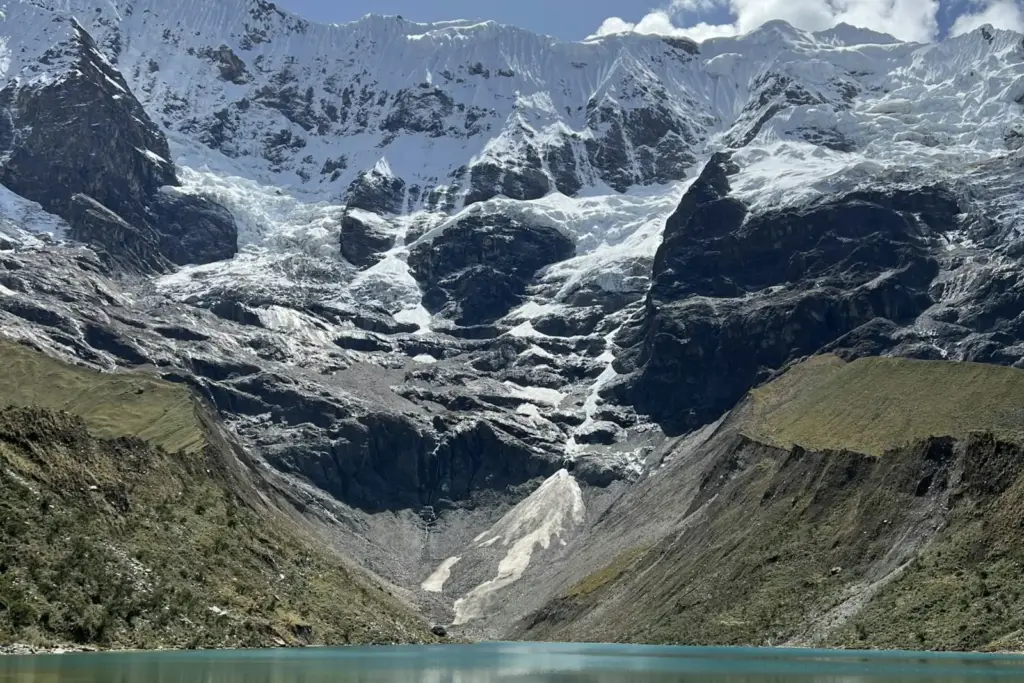
Apu Humantay and the Sacred Mountains of the Andes
In Andean tradition, the mountains surrounding the lake are considered apus, sacred presences linked to water, weather, and community life. Apu Humantay, the peak the lake is named for, is one of the more revered in the Cusco region.
Along the trail to Humantay Lake, you’ll likely pass apachetas, small stacks of stones left by hikers as offerings. It’s a tradition still practiced today. Most visitors add a stone of their own, out of respect rather than obligation.
Local guides and muleteers work the Humantay Lake trail daily and know the conditions better than any guidebook. A quick chat with your driver or guide before setting out is worth more than most packing lists. Ask about pace, weather, or which stretch to take slowly.
Common Mistakes to Avoid at Humantay Lake
Skipping acclimatization is the biggest one. Attempting the hike on your first or second day in Cusco is when most people struggle. Your body simply hasn’t adjusted to the altitude yet.
Leaving Cusco too late is the second. Tours that depart after sunrise often reach Humantay Lake right as the wind picks up. That turns what should be a rewarding hike into an uncomfortable one.
Underestimating the trailhead’s own altitude is the third. Soraypampa alone sits above 3,800 meters, so the hike starts hard, not just near the top.
Not bringing enough cash is the fourth. Between the entrance fee and a possible horse rental, plan on having at least 130 soles on hand in small bills. Change is not always available at the trailhead.
Getting to Soraypampa: Why Private Transport Makes the Difference
With a 4 AM departure and a return well into the evening, this is a long day on the road. The drive to Humantay Lake takes up most of it. A private vehicle means your pickup time is built around your hotel, not a shared van’s fixed schedule.
It also means a direct, English-speaking driver and a comfortable ride for the roughly three-and-a-half-hour drive each way. And once you’re tired from the hike, there’s no waiting on other passengers before heading back.
A shared tour also fills every seat before it departs. That can mean a delayed start if another traveler runs late. With a private transfer, the vehicle leaves when you’re ready. That applies both at 4 AM and again once you’re back at the trailhead.
If you’re planning a Humantay Lake day trip from Cusco, our private Humantay Lake transport gets you there and back. It runs entirely on your own schedule. For more on adjusting to Cusco’s altitude before you head into the mountains, see our complete Sacred Valley trip guide. Or browse all of our Cusco transfers and tours from the homepage. Also, read our Cusco altitude guide before you plan any high trips.
Frequently Asked Questions
How difficult is the hike to Humantay Lake?
Moderate, not technical — altitude is the main challenge, not the terrain. Most travelers in reasonable shape manage it comfortably after a day or two acclimatizing in Cusco.
What is the elevation of Humantay Lake?
4,200 meters (13,780 feet). The Soraypampa trailhead, where the hike starts, already sits above 3,800 meters.
Do I need extra days in Cusco before the Humantay Lake hike?
Yes — at least one full day of acclimatization is recommended before attempting the hike.
Can I ride a horse instead of hiking to Humantay Lake?
Yes. Horses are available at the Soraypampa trailhead for around 100 soles and cover most of the climb.
How much does it cost to enter Humantay Lake?
The entrance fee is 30 soles for foreign visitors, payable in cash at the trailhead. Card payment isn’t available this far into the mountains.
Is Humantay Lake worth visiting alongside Rainbow Mountain?
Many travelers do both on the same Cusco trip. They’re different experiences — a shorter hike to a glacial lake versus a longer trek to striped mineral slopes. Pairing the two makes efficient use of your acclimatization days.
Ready to See Humantay Lake for Yourself?
Humantay Lake rewards the early start and the climb with one of the most striking views in the Cusco region. And it comes without the crowds of Peru’s more famous sites.
Skip the shared-van schedule and start your day on your own terms.