An Inca Trail alternative is the smart move when permits sell out or your dates simply do not fit. Several superb treks reach Machu Picchu without a permit.
However, the choices can feel confusing. Salkantay, Lares, Choquequirao, and the Inca Jungle route differ in distance, altitude, and style. Moreover, each one ends at Machu Picchu in a different way.
This guide compares each trek with distances, altitudes, and seasons. In addition, it shows how to plan your ticket and your ride. It also covers the mistakes that cost travelers the most time.
Meanwhile, our private Hidroelectrica transfer covers the longest road leg for you. Your driver delivers you straight to the station, so your hike or train ride starts rested.
Why Travelers Look for an Inca Trail Alternative
Permit Limits and Sell-Outs
The classic route covers about 42 kilometers and takes four or five days, according to Wikipedia. Its highest point, Dead Woman’s Pass, sits near 4,215 meters.
Roughly 500 permits are issued per day. However, only about 200 go to trekkers, and the rest cover guides and porters.
As a result, permits for the dry months often sell out far in advance. Therefore, check current availability with an authorized operator as soon as your dates are firm.
Shorter versions of the classic route also exist, according to Wikipedia. However, they may need permits too, so ask before you plan around them.
The February Closure
The classic trail closes every February for maintenance during the rainy season. In 2026, it reopened on March 1.
Therefore, February travelers need another plan. Dates can change, so confirm them with the Ministry of Culture or an authorized operator.
Is an Inca Trail Alternative a Lesser Choice
Not at all. Many of these treks climb higher, cross wilder country, and meet fewer hikers.
In addition, as far as we know, they need no permit lottery. Still, rules can change, so confirm the latest details before you book.
Meanwhile, the classic route remains wonderful for those who hold a permit. Therefore, treat each Inca Trail alternative as an equal, not as a second prize. Each one offers real history, big scenery, and a memorable arrival.
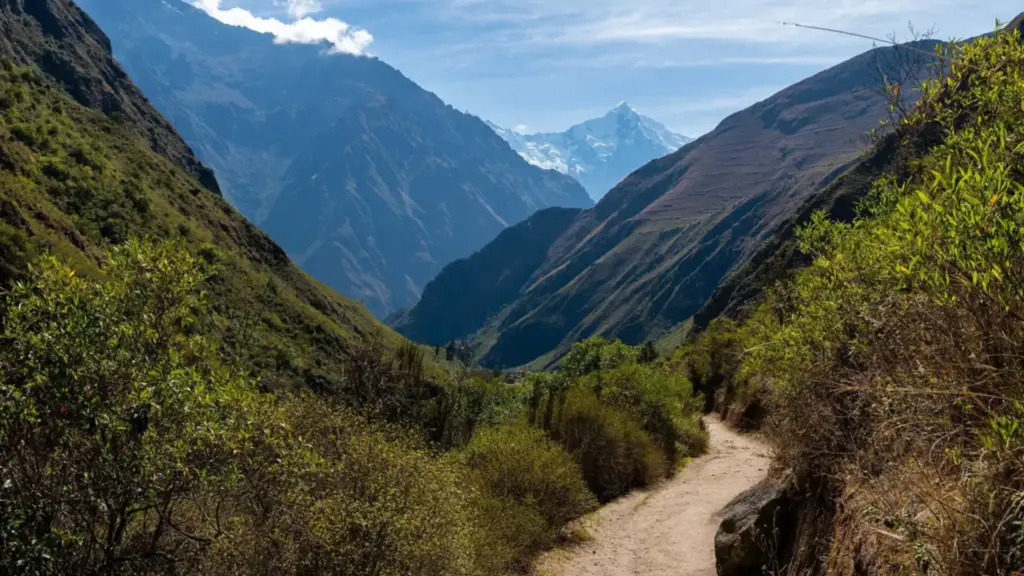
The Best Inca Trail Alternative Treks at a Glance
Salkantay Trek
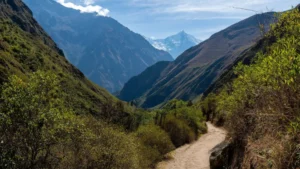
The Salkantay trek covers around 74 kilometers in four or five days. Salkantay Pass reaches roughly 4,650 meters, although sources vary slightly.
Operators rate it as challenging, and the climb on day two is the hardest. In contrast to the classic route, access is not limited by daily permits.
The dry season, from April to October, is best. Then the route usually ends at Aguas Calientes.
Many itineraries also visit a famous turquoise lake along the way. Besides that, our Humantay Lake guide explains that stop in detail.
Lares Trek
The Lares trek is shorter, at about 38 kilometers over four days. According to operators, its high pass lies near 4,700 meters.
Difficulty is moderate to challenging. Moreover, the route passes Andean villages and, on many itineraries, hot springs.
Most itineraries end in the Sacred Valley, and then travelers continue by train. May to September usually brings the driest trails. Our guide to planning an independent trip explains the rules at the gate.
Choquequirao as an Inca Trail Alternative
The Choquequirao trek runs about 60 kilometers round trip, usually in four days. The trail drops to roughly 1,500 meters at the river, then climbs to ruins near 3,000 meters.
It is steep and challenging, yet wonderfully quiet. Our Choquequirao trek guide explains the full route.
Longer versions continue toward Machu Picchu in seven to nine days. Also, May to September is the most reliable window.
Inca Jungle Trail
The Inca Jungle trail lasts four days and mixes biking, hiking, rafting, and zip-lining. Day one starts near Abra Malaga, at roughly 4,300 meters.
Operators rate it as moderate, because the walking is gentler than on Salkantay. Then day three follows the railway from Hidroelectrica toward Aguas Calientes.
April to October is the best window. However, activities depend on the operator, so confirm the details first.

How to Choose Your Inca Trail Alternative
Match the Trek to Your Fitness
Choose Lares or the Inca Jungle trail if you want a moderate pace. Pick Salkantay or Choquequirao if you enjoy long, demanding days.
Also, spend two or three nights in Cusco first. Our best time to visit Cusco guide helps with seasons and altitude.The Salkantay trek is another popular option with its own road transfer. If you still choose the classic route, read about Inca Trail transportation.
Moreover, good boots and several weeks of training make every route more enjoyable. Because the passes top 4,000 meters, pace yourself from the first day.
Match an Inca Trail Alternative to Your Season
The dry months from May to September bring clear skies and cold nights. However, they also bring the biggest crowds on Salkantay.
Shoulder months, such as April and October, often balance weather and quiet. In contrast, the wet season from November to March brings mud and cloud.
Crowds differ by route, too. One guide estimates around 50 hikers a day on Salkantay, while Choquequirao sees far fewer.
Leave a Buffer Before Machu Picchu
Four days is the usual minimum for every route here. Besides the hiking itself, allow time to rest and repack in town. Choquequirao on to Machu Picchu needs a week or more. Our Cusco to Machu Picchu guide compares the train and road options. Ausangate is another strong trek, and our Cusco to Ausangate guide explains the road to the trailhead.
Therefore, keep a spare day before your entry time. A buffer protects your ticket from weather or trail delays.
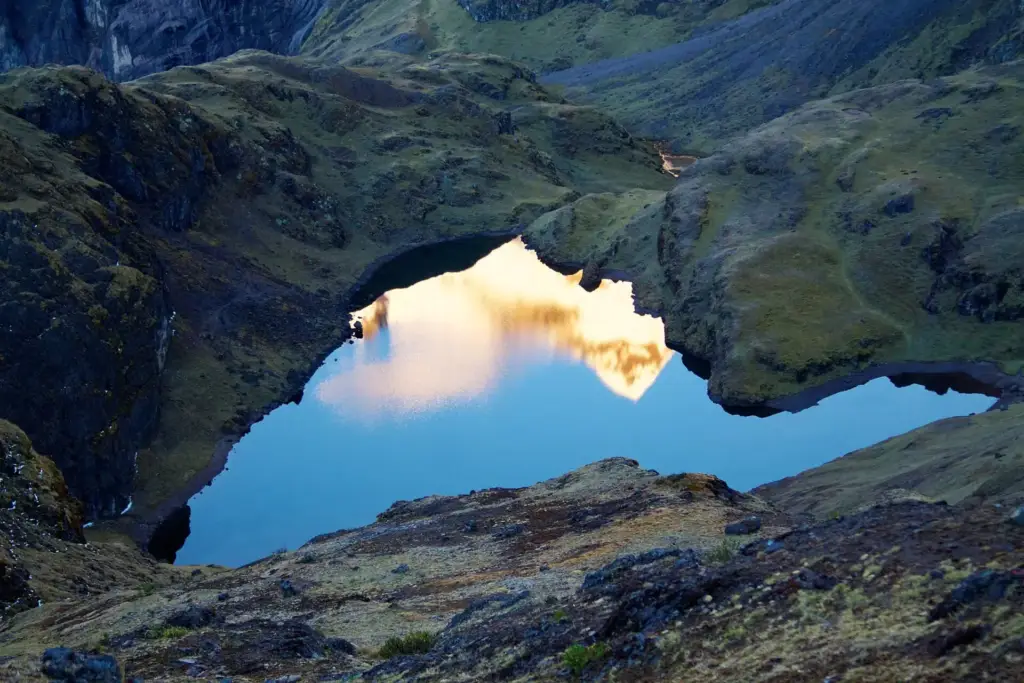
Planning Machu Picchu Entry After Your Inca Trail Alternative
Tickets and Circuit Timing
Tickets are sold through the official government site, according to Andina’s 2026 report. Daily limits are currently around 4,500 visitors, and up to 5,600 in high season.
Each ticket fixes a circuit and an entry window. Because of that, buy your ticket first, then match your trek dates to it.
Prices change, so confirm them on the official site. Mountain routes also cost more than the standard circuits.
Train or Hidroelectrica Route
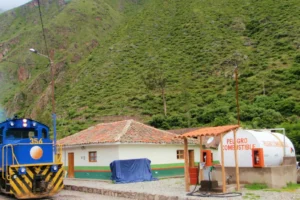
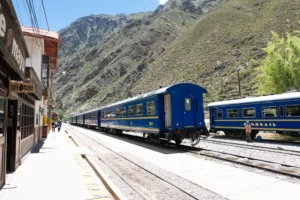
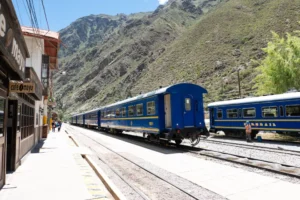
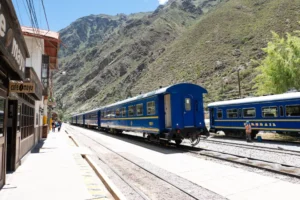
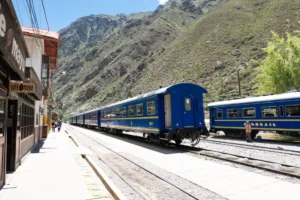
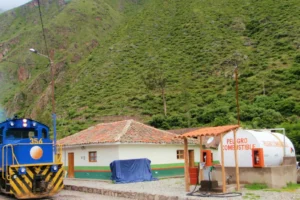
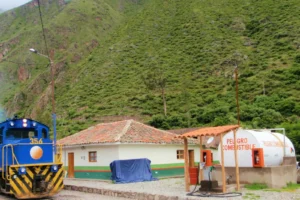
Salkantay and Inca Jungle itineraries reach Hidroelectrica, the road-end station. From there, the walk to Aguas Calientes follows the tracks for about 10 kilometers, or roughly two hours. Some trekkers also spend a night in the valley first, and our Cusco to Santa Teresa guide explains how to reach it. Budget travelers can also read our Hidroelectrica to Aguas Calientes walk guide for the final stretch.
However, it is an active railway, so stay alert in the tunnels. Alternatively, ask locally whether a train from the station suits your schedule.
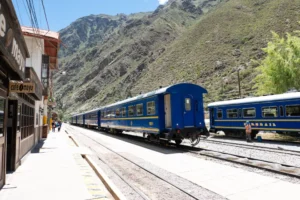
Lares itineraries usually return to the Sacred Valley instead. Then the train takes over, as our Machu Picchu by train guide explains. The classic route starts at Km 82, and our Km 82 Inca Trail guide explains how to reach it.
Getting to the Trailheads for Your Inca Trail Alternative
Cusco to Hidroelectrica
The road to Hidroelectrica takes six to seven hours with rest stops. It crosses high passes and winding mountain sections. See our drive from Cusco to Hidroelectrica for the route and timing. The shorter hike is covered in our Km 104 Inca Trail guide.
Public minibuses involve several changes, and each connection adds risk. In contrast, one private vehicle drops you directly at the station.
Safety and punctuality matter on mountain roads. Therefore, our drivers keep a steady, comfortable pace and know every curve.
Cusco to Cachora for Choquequirao
The drive to Cachora takes four to five hours. Our Cachora trailhead transfer handles it, gear included.
Moreover, your driver can wait or arrange a return pickup. As a result, you never face a remote trailhead without a ride.
Salkantay and Lares Trailheads
We do not list a fixed Salkantay or Lares trailhead transfer. However, our team can help.
Message our team on WhatsApp for a custom quote. Meanwhile, share your trek dates and group size.
Because those trailheads sit on different roads, we quote each trip individually. Consequently, a quick message saves you guesswork later.

Common Mistakes With an Inca Trail Alternative
The most common mistake is booking the trek before the ticket. Machu Picchu entry slots sell out, so secure yours first.
Another mistake is skipping acclimatization. Therefore, spend two nights in Cusco before any climb above 4,000 meters.
Many travelers also underestimate the second day on Salkantay. Because the climb is steep and cold, train for several weeks.
Others assume Hidroelectrica is close to Cusco. In fact, the drive takes six to seven hours, so leave early.
Some hikers ignore the weather. Besides that, they overlook rainy season trail problems, so check conditions before you leave.
Several travelers forget the rail line on the final walk. Instead, stay alert, and avoid headphones near the tracks.
Finally, some forget a ride at the end. Arrange it early, because trailheads are remote.
Private Transport for Your Inca Trail Alternative
Our service is transport only. We do not guide treks, sell tickets, or provide meals.
Our Cusco to Hidroelectrica route costs $160 for a sedan with one to three travelers. A minivan or SUV for four to eight costs $220, and a Sprinter for nine to fifteen costs $350.
Rates are per vehicle, one way, with tolls and mandatory SOAT insurance included. The drive takes six to seven hours with scheduled rest stops.
Moreover, your driver drops you directly at the station. See the details on our Cusco to Hidroelectrica shuttle page.
Choquequirao hikers can use our Cachora transfer at $145, $175, or $230 per vehicle. Meanwhile, our team tracks your flight and answers questions in English on WhatsApp, day or night.
After landing, our private Cusco airport transfer puts you in your hotel calmly. You can also explore all of our Cusco private transfers.
Frequently Asked Questions
What is the best Inca Trail alternative?
Salkantay suits strong hikers, Lares suits culture lovers, and Choquequirao suits solitude seekers. The Inca Jungle trail suits adventurous travelers with less time.
Do I need a permit for an Inca Trail alternative?
As far as we know, Salkantay, Lares, and Choquequirao are not limited by daily permits. However, rules can change, so confirm them before you book.
When is the classic Inca Trail closed?
It closes every February for maintenance. In 2026, it reopened on March 1.
Is Salkantay a harder Inca Trail alternative than the classic route?
Generally, yes. It is longer, at about 74 kilometers, and it climbs to roughly 4,650 meters.
How far is Hidroelectrica from Cusco?
The drive takes six to seven hours with rest stops. A private vehicle drops you directly at the station.
Can a private driver take me to the trailhead?
Yes, for Hidroelectrica and Cachora, with fixed per-vehicle prices. For Salkantay or Lares, message our team on WhatsApp for a custom quote.
Ready to Reach the Trailhead in Comfort?
Start your trek with a calm, reliable ride, not a long search for transport. A private driver gives you a fixed price and a punctual pickup.
Choose your vehicle, share your travel date, and confirm your booking in minutes. Our team will handle the rest.