The Choquequirao trek leads to a remote Inca citadel above the Apurimac canyon. Travelers often call it the sister of Machu Picchu.
However, the route is long, steep, and far from town. Moreover, the canyon shifts from cold highlands to hot, dry slopes within a single day.
This guide covers routes, distances, difficulty, the best season, camps, fees, and gear. It also explains how to reach the trailhead without losing a day.
Meanwhile, our private transfer to the trailhead takes care of the long drive. Your driver collects you at the hotel, gear included, so the hike starts rested.
The Choquequirao Trek: The Site at a Glance
What Is Choquequirao and Why Is It Called a Sister of Machu Picchu
Choquequirao is an Inca citadel perched on a ridge above the Apurimac River. It sits at roughly 3,000 meters (9,800 feet), although published figures vary slightly.
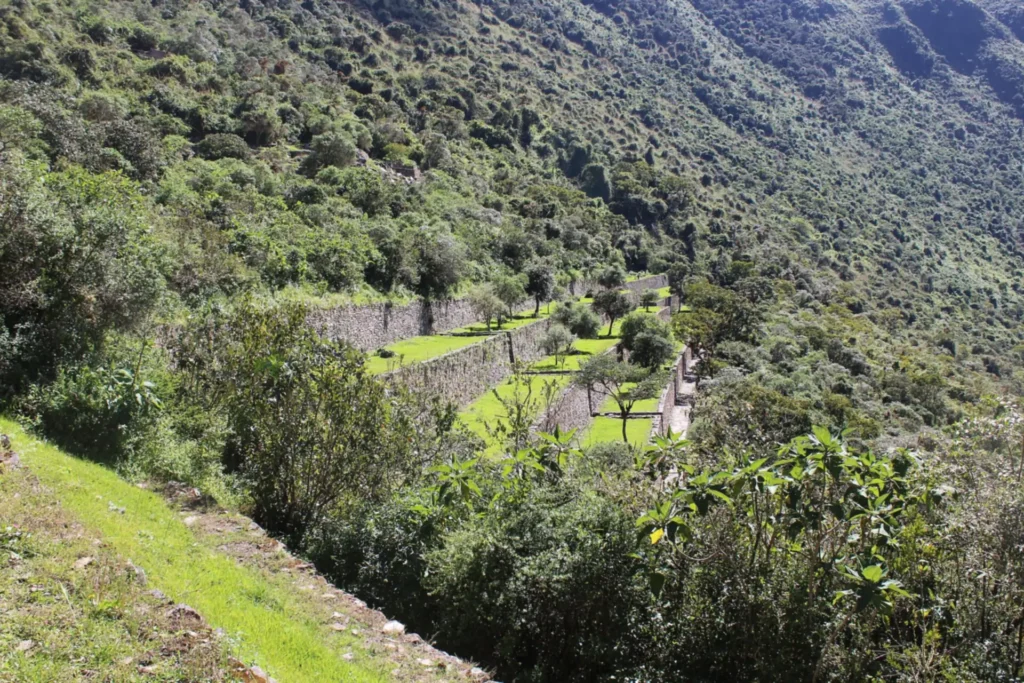
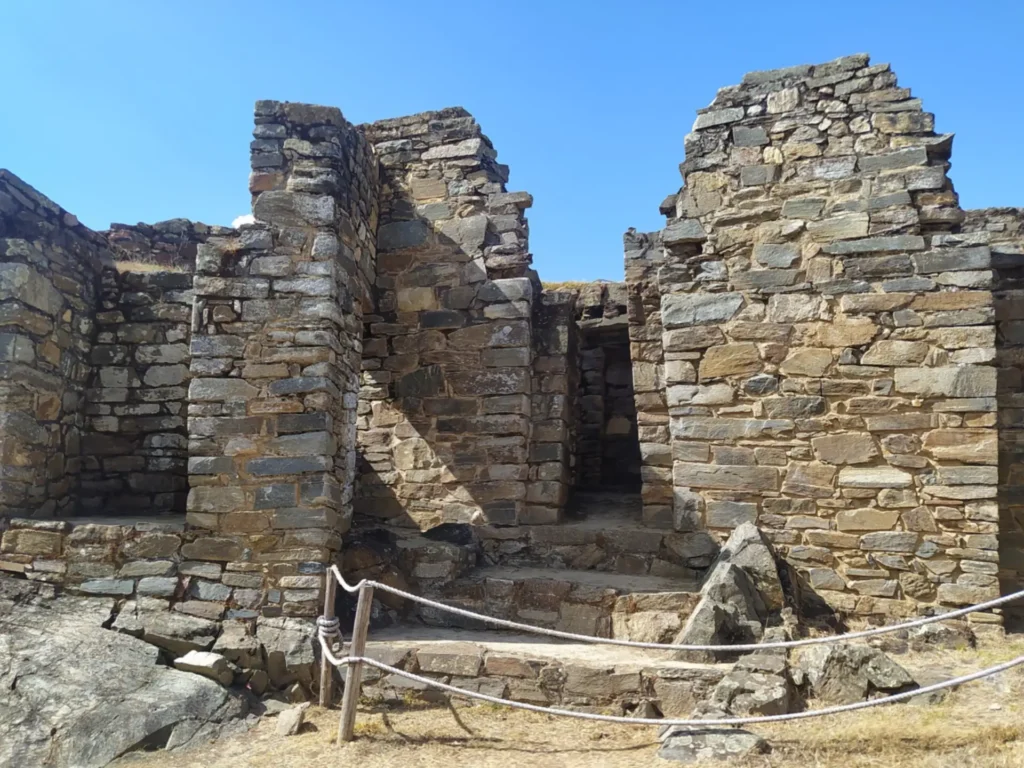
Its stone terraces, plazas, and white llama figures recall Machu Picchu. In fact, the Peru tourism board describes it as a final Inca stronghold in the canyon.
Much of the complex remains largely unexplored, according to the tourism board. Therefore, parts of it feel wilder than any famous ruin. For background, see the Wikipedia entry.
Why Few Travelers Make the Choquequirao Trek
The site cannot be reached by road. Instead, you arrive on foot, after a full day or more of hiking.
As a result, visitors are few. Some operators report only around 30 arrivals a day in peak season, compared with thousands at Machu Picchu.
Because of that, many hikers have whole terraces to themselves. In addition, the quiet is a big part of the reward.
What You Will See Along the Trail
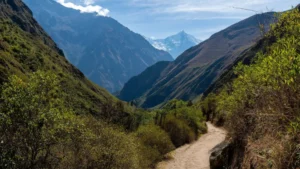
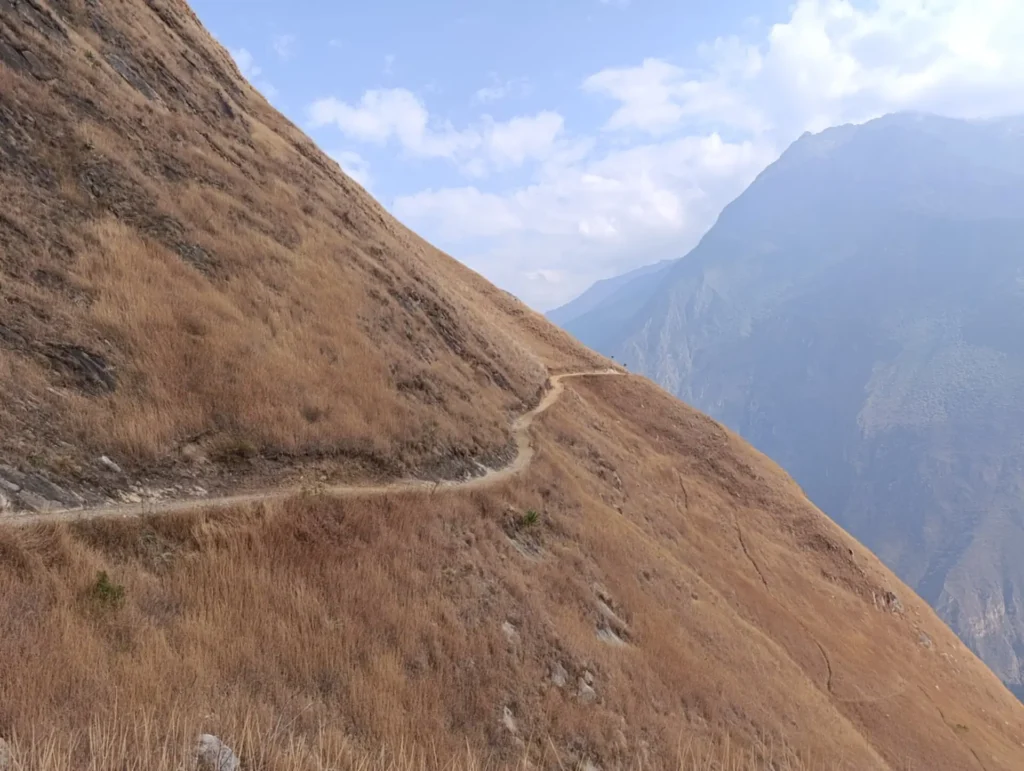
The path crosses deep canyon scenery, cloud forest, and open slopes. Each day brings a different landscape. Meanwhile, condors often glide over the valley.
The nights are quiet, and the stars are bright. Local sources also mention foxes, spectacled bears, and many orchids in the region. However, wildlife sightings are never guaranteed.
Is the Choquequirao Trek Worth It
Yes, for travelers who enjoy long walks and real solitude. The scenery changes constantly, and the ruins feel like a discovery.
Still, it is not a casual outing. Therefore, choose it only if you are comfortable with steep trails and several days outdoors.
In addition, the hike rewards careful planning. Travelers who prepare well enjoy the canyon far more than those who improvise.
Choquequirao Trek Routes and Distances
The Classic Four-Day Choquequirao Trek
The usual hike starts near Cachora and covers about 30 kilometers each way. That means roughly 60 kilometers for the round trip.
Day one descends into the canyon, and day two climbs to the site. Then day three is for exploring, and day four brings you back to the trailhead.
However, itineraries vary by operator. Therefore, confirm the daily plan before you book.
Five and Six Day Versions
Slower versions add a rest day or an extra camp. In addition, they leave more time at the ruins.
Consequently, they suit travelers who want shorter daily distances. They also lower the risk of arriving exhausted.
Continuing to Machu Picchu
Longer routes continue past Choquequirao over high passes toward Machu Picchu. According to operators, these usually take seven to nine days and cover far more ground.
Machu Picchu tickets must be bought well in advance for that plan. Meanwhile, our Machu Picchu by train guide explains the return options.

Difficulty, Elevation, and Weather on the Choquequirao Trek
Elevation Changes You Should Expect
The trail begins at about 2,900 meters near Capuliyoc, a viewpoint above the canyon. Then it drops to roughly 1,500 meters at the Apurimac River.
After that, it climbs again to the ruins at around 3,000 meters. Therefore, you lose more than 1,400 meters, then regain every one.
The return trip repeats the same profile in reverse. As a result, expect tired knees on the final climb.
How Hard Is the Choquequirao Trek
Most guides rate it as challenging. The distances are modest, but the steep grades and the heat are demanding.
The second day is usually the hardest, because the climb out of the canyon is long. Moreover, the trail has little shade.
Good fitness and some hiking experience make the trip far more enjoyable. Also, training for several weeks beforehand is wise.
Heat, Cold, and Altitude
The canyon floor is hot and dry, while the ruins can be cool at night. In contrast, the trailhead feels chilly early in the morning.
Altitude is milder than on many Cusco hikes. Even so, spend a couple of days in the city first, as described in our airport to hotel guide. Comparing Andean treks?
Planning Your Choquequirao Trek
Best Season for the Choquequirao Trek
The dry season, from May to September, offers the most stable conditions. Skies are clearer, and the trail is firmer.
In contrast, the wet season, from November to March, brings heavy rain and slippery sections. As a result, access can be affected.
Camps, Lodges, and Guides
Most hikers sleep in tents at established campsites. Besides that, some basic guesthouses exist at certain waypoints.
Camping is not allowed inside the archaeological site itself. Instead, you stay at designated areas nearby.
Meals and water vary by camp. Therefore, ask your operator exactly what each stop provides.
Many travelers hire a trekking operator for guides, mules, and meals. Because we are a transport company, we handle only the ride to the trailhead.
Entrance Fees and Permits
The site charges an entrance fee, currently around 60 soles for adults. However, prices change, so confirm them before you travel.
Unlike the Inca Trail, Choquequirao has no daily permit lottery, as far as we know. Still, rules can change, so check with the Ministry of Culture or your operator. Comparing routes? See our guide to other treks to Machu Picchu. Another high-altitude trailhead is explained in our Cusco to Soraypampa trailhead guide.
The site is generally open from about 7:00 a.m. to 4:00 p.m., according to the Cusco Culture Directorate. Therefore, plan to reach the ruins early.
What to Pack for the Choquequirao Trek
Bring sturdy broken-in boots, trekking poles, and a hat with sun protection. Also pack warm layers for the nights.
Carry plenty of water and a way to treat more. In addition, bring insect repellent for the lower canyon.
Getting to the Choquequirao Trek Trailhead From Cusco
The Drive From Cusco to Cachora
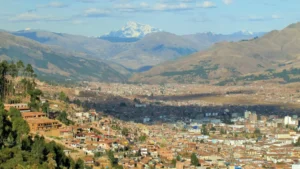
Most hikers start from the village of Cachora in the Apurimac region. The drive from Cusco takes about four to five hours one way. Our transport guide to another long highland day explains a similar early start. For the classic route, our Km 82 Inca Trail guide explains how to reach the trailhead.
The road follows the highway toward Abancay, then turns off toward the canyon. Consequently, the last part is slower and winding.
Why a Private Transfer Helps
Safety and punctuality matter on mountain roads. Our drivers know the route well and keep a steady, comfortable pace.
Public buses to the area are infrequent, and they rarely fit trekking packs. Moreover, a missed connection can cost you a whole day.
In contrast, a private vehicle lets you leave at dawn and start hiking with daylight to spare. It also gives you room for poles, duffels, and boots.
Adding Time in Cusco
Arrive a day or two early to rest and adjust. Then your first long walk feels much easier.
After landing, our private Cusco airport shuttle puts you in your hotel calmly. As a result, you can repack gear before the early start.
Common Mistakes on the Choquequirao Trek
The most common mistake is underestimating the climbs. The profile looks short on paper, but the grades are relentless.
Another mistake is starting without enough acclimatization. Therefore, spend two nights in Cusco first. Then try a shorter hike, such as the one in our Humantay Lake guide.
Many hikers also pack too heavy. Because every extra kilogram feels worse on the ascent from the river, pack light.
Others reach the trailhead late. As a result, they hike in the afternoon heat and arrive at camp after dark.
Some travelers skip sun protection in the canyon. In addition, forgetting a spare pair of dry socks can spoil a camp night.
Besides that, many assume the ruins are one quick stop. Instead, plan at least a full day inside the site.
Finally, some forget the return ride. Arrange it before you leave, because the trailhead is remote.
Private Transport for the Choquequirao Trek
Our service is transport only. We do not organize or guide the hike, but we make the journey to and from the trailhead easy.
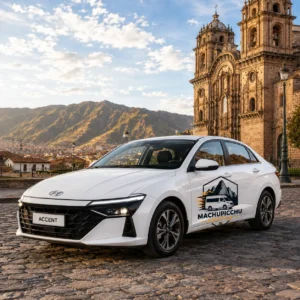
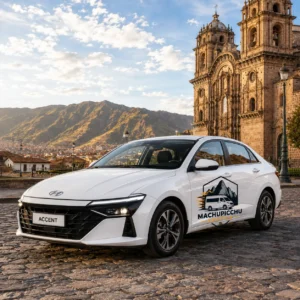
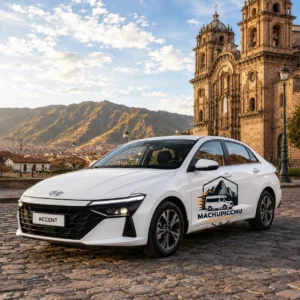
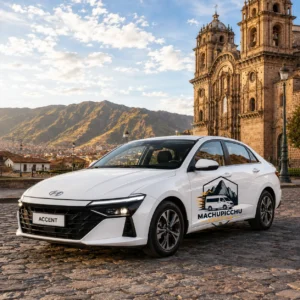
Rates are per vehicle, one way, with tolls and insurance included. A sedan for one to three travelers costs $145.
Moreover, a minivan or SUV for four to eight travelers costs $175. A Sprinter for nine to sixteen costs $230.
Your driver collects you at your hotel in Cusco and helps with your trekking gear. The drive to the trailhead takes about four to five hours.
Meanwhile, our English-speaking team stays available on WhatsApp. In addition, a return pickup can be arranged after your hike. Message our team to confirm the timing and price.
See the details on our Cachora trailhead transfer page. You can also explore all of our Cusco private transfers.
Also planning a shorter outing in the region? Our Waqrapukara transport covers another scenic Inca site.
Frequently Asked Questions
How long is the Choquequirao trek?
The classic version takes four days and covers about 60 kilometers round trip. Slower versions take five or six days.
How difficult is the Choquequirao trek?
It is challenging, mainly because of the steep descent and the long climb back. Good fitness and trekking experience help a lot.
When is the best time for the Choquequirao trek?
The dry season, from May to September, is the most reliable. However, the wet season brings heavy rain and slippery trails.
How far is Cachora from Cusco?
The drive takes about four to five hours one way. A private vehicle can collect you at your hotel.
Do I need a permit or ticket for Choquequirao?
You need an entrance ticket, currently around 60 soles for adults. However, rules can change, so confirm before you go.
Can a private driver take me to the trailhead?
Yes. Our transfer runs from Cusco to Cachora, and a return pickup can be arranged. Message our team on WhatsApp for details.
Ready to Reach the Trailhead in Comfort?
Start your hike with a calm, reliable ride, not a long search for transport. A private driver gives you a fixed price and a punctual pickup.
Choose your vehicle, share your hotel and travel date, and confirm your booking in minutes. Our team will handle the rest.